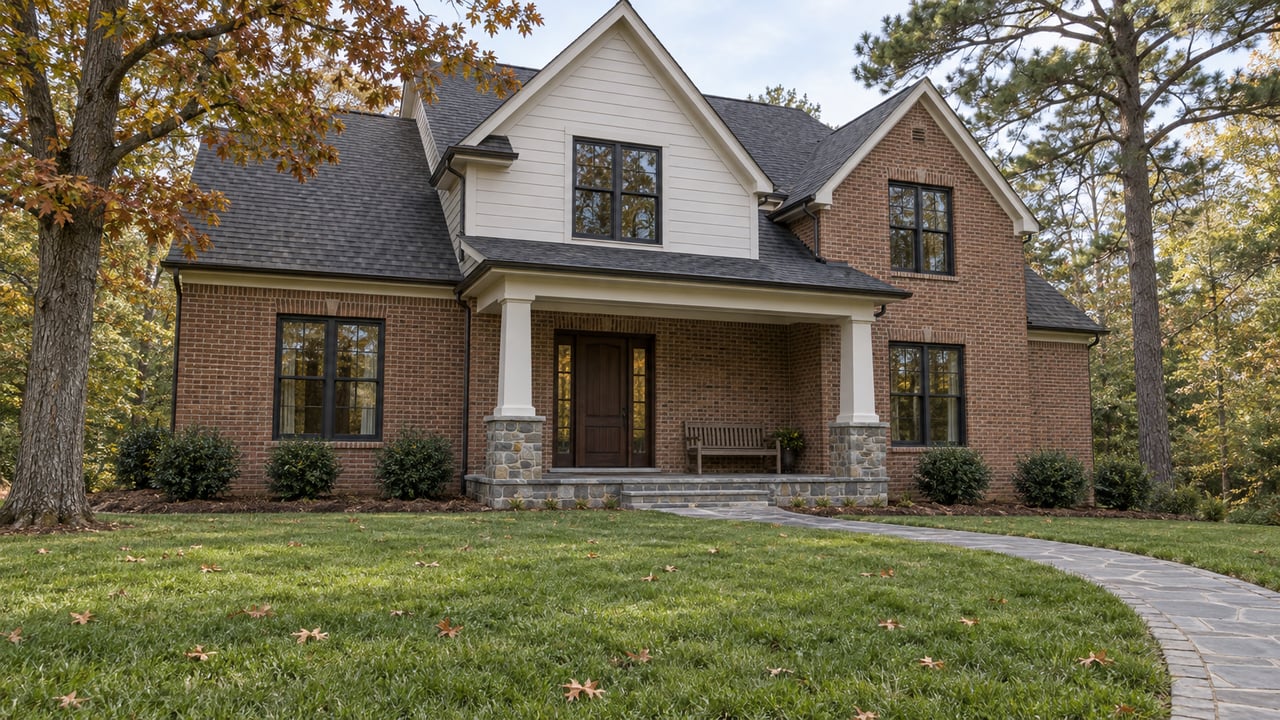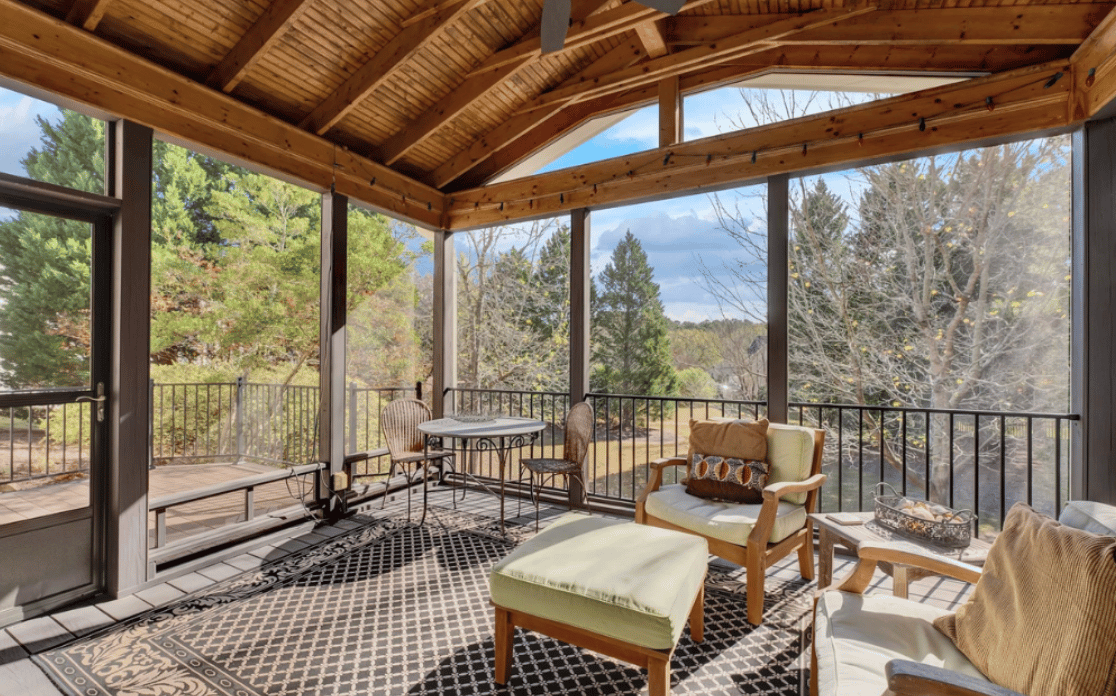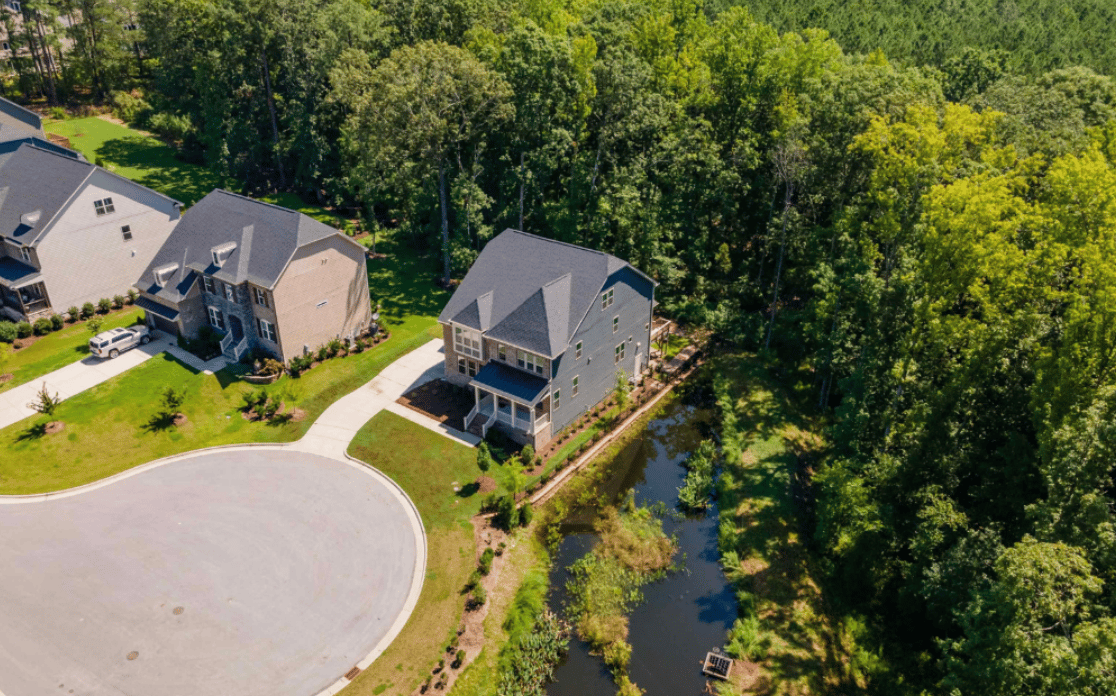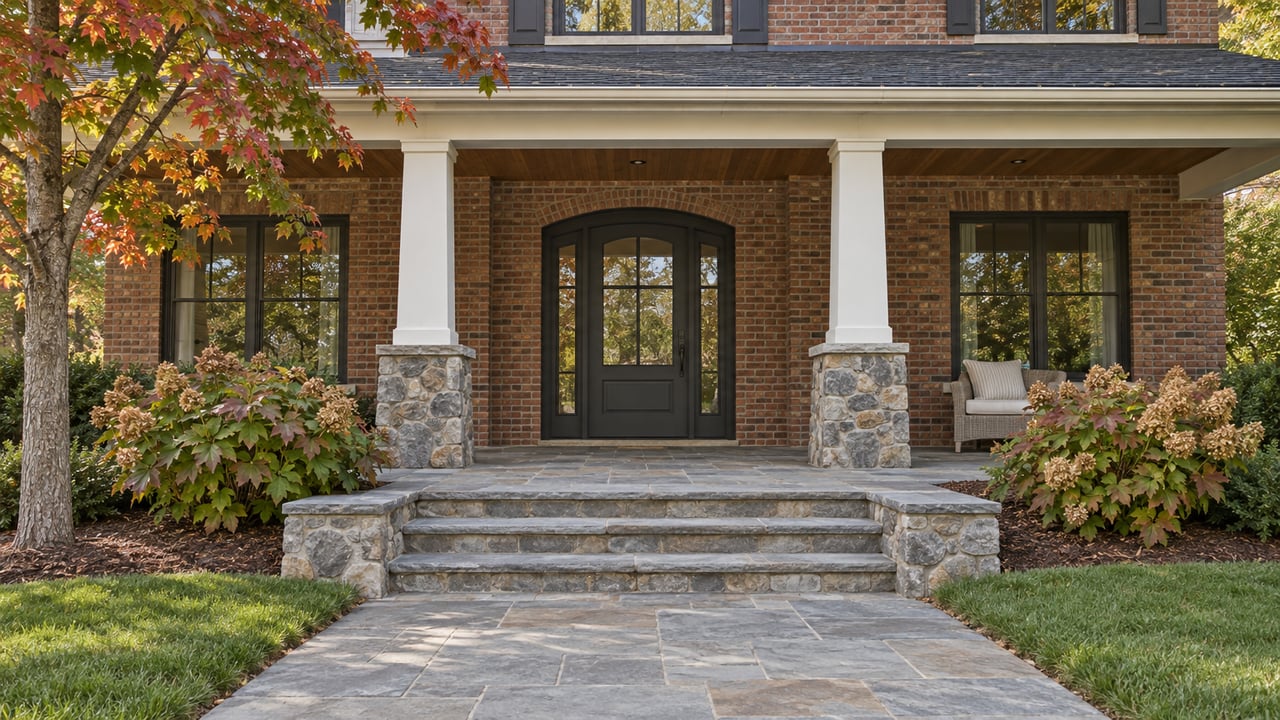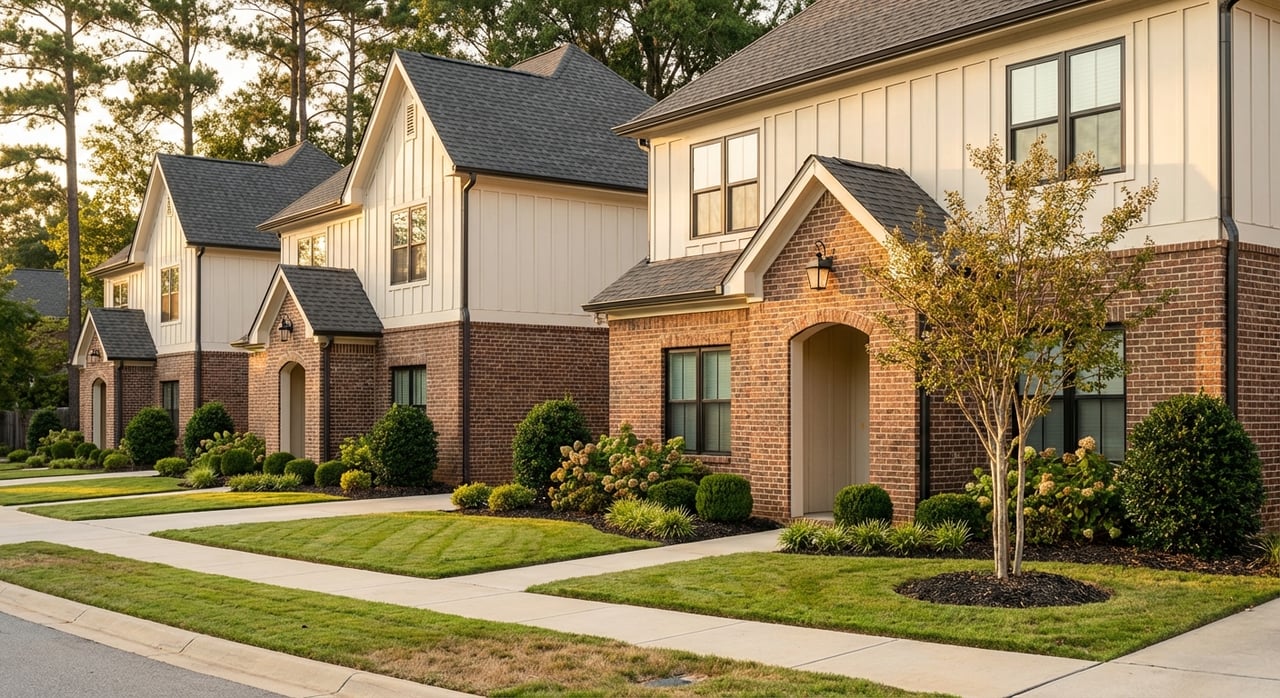
Thinking about buying a rental in Amberly, especially on the Chatham County side? You’re not alone. The neighborhood’s amenities and location near RTP attract steady long-term demand, but the numbers, HOA rules, and county lines can change your returns fast. In this guide, you’ll learn what the current rent and value snapshots imply for yield, how Amberly’s HOA rules work for landlords, and the due diligence that protects your cash flow. Let’s dive in.
Amberly at a glance
Amberly is a large master-planned community with multiple sub-neighborhoods, a town-center concept, and a shared amenity program that includes pools, fitness, and trails. The 55+ Carolina Preserve sits within Amberly and has its own clubhouse program alongside master amenities. You can explore the community background on the official Carolina Preserve site for helpful context about the greater Amberly plan.
A key detail for investors: most of Amberly sits in Wake County, but some parcels are in Chatham County. County jurisdiction affects your tax rate, school assignment, and parts of permitting. Always confirm the parcel’s county and assessed value before you write an offer.
What the numbers say right now
Recent data snapshots from major portals show Amberly’s median home values around the low-to-mid $600,000s. Reported median asking rents for typical 3-bedroom homes land in the low-to-mid $2,000s per month, with a recent neighborhood median near $2,422. Listings tend to move with the broader Cary market, but days on market shift with inventory.
A quick yield check helps set expectations:
- Example inputs: price around $632,772 and rent around $2,422 per month.
- Gross annual rent: $2,422 x 12 = $29,064.
- Gross yield: $29,064 ÷ $632,772 ≈ 4.6%.
If you instead used a higher purchase price within the neighborhood range, your gross yield could slip closer to the mid-4% range. In other words, Amberly performs like many higher-cost Triangle suburbs: moderate gross yield rather than high cash flow. Your returns will rely on conservative underwriting, smart financing, and expense control.
Best-fit property types
Most small investors focus on two property types in Amberly:
- Single-family homes, typically 3 to 5 bedrooms. These appeal to long-term renters who value space and neighborhood amenities. Lease terms of 12 months or longer are common in the area.
- Townhomes. These can offer a lower entry price and simpler exterior maintenance. HOA dues and rules vary by subassociation, so review each community’s specifics.
If you plan to serve older adults, the 55+ Carolina Preserve community is age-restricted. Confirm occupancy rules and any rental limits in the covenants published by the 55+ subcommunity and the master association. You can read more about the 55+ community structure on the official Carolina Preserve overview page at Carolina Preserve.
The HOA factor for landlords
Amberly operates with a master property owners association, plus multiple subassociations. The master association runs sitewide amenities such as pools, fitness, and the Residents’ Club, while each subassociation may have its own covenants, dues, and processes. Before you close, obtain the recorded Declaration and Bylaws, Rules and Regulations, current budget, reserve study, insurance certificates, and meeting minutes. The master association maintains community information and documents at the Amberly Master POA portal.
One policy investors often miss: the master association requires a landlord “Waiver of Amenities” or authorization form for tenant access to amenities. If you sign the waiver so your tenant can use the amenities, your own owner access tied to that property is paused until the waiver is removed. The policy also outlines guest pass limits and other access rules. Review the current form and rules in the Amberly Clubhouse Access policy.
HOA dues vary widely by subassociation and product type, from modest monthly or quarterly fees to several hundred dollars per month. Dues fund amenity programs, landscaping, and reserves, and they can materially affect cash flow. Always underwrite with the actual seller’s HOA invoices and ask about any pending special assessments. The master POA portal is a good starting point for official notices and contact details.
What this means for your listing and lease
- Plan for paperwork. Build time into your timeline to complete landlord forms and register tenants with the HOA.
- Set accurate expectations. If you advertise pool or fitness access, make sure you have the signed authorization and key-tag process in place before move-in.
- Confirm lease rules. Many associations restrict short-term rentals and may set minimum lease terms or rental caps. Get any caps in writing from the subassociation.
- Ask about fees. Amenity access or key-tag activation may involve small HOA admin charges. Include them in your pro forma.
Taxes and the Wake vs Chatham difference
County lines affect your operating costs. Wake County’s adopted FY26 rate is publicly reported at 51.71 cents per $100 of assessed value. You can review coverage of the Wake budget and rate action through local reporting such as Indy Week’s FY26 summary. Chatham County’s FY26 budget materials discussed a 60.0-cent rate proposal after revaluation, and also referenced a revenue-neutral rate in the low-50-cent range. These differences change your annual tax line in a meaningful way.
Action step: pull the parcel’s county tax card, confirm the current assessed value and adopted rate for the fiscal year, and model a sensitivity scenario for revaluation years. If school assignment is part of your renter profile, verify current school boundaries on the county’s official lookup before marketing.
Underwriting in Amberly: key cost lines
Build a conservative model so you avoid surprises later. Include the following at a minimum:
- HOA dues. Use the actual seller invoice and ask about any special assessments. The amenity package is a cost driver in Amberly.
- Property taxes. Confirm the parcel’s county and assessed value, then apply the correct rate for Wake or Chatham.
- Insurance. Landlord policies often cost about 20 to 30 percent more than owner-occupied coverage. Get quotes early. For an overview of how landlord policies differ, see Policygenius on landlord vs homeowners insurance.
- Property management. Full-service single-family management often runs around 8 to 12 percent of collected rent, plus a leasing or placement fee. Check local manager fee schedules like those discussed in Landlord Studio’s fee guide.
- Maintenance, reserves, and vacancy. Many investors use a quick screen such as the 50 percent rule, where operating expenses are estimated at roughly half of gross rent before mortgage. It is a heuristic, not a substitute for a line-item budget; the concept is discussed in tools like the BiggerPockets rental calculator.
Financing reality
Investment loans typically require a larger down payment and carry a rate premium over primary-residence loans. Conventional options often expect 15 to 25 percent down, with many investors using 20 percent as a benchmark. For a primer, review FortuneBuilders’ down payment overview. Debt-service coverage ratio (DSCR) and other non-QM products are common for investors who want the property’s income to help qualify. You can explore program types in resources like Hemlane’s guide to rental property loans.
A quick example, step by step
- Inputs: price $632,772, rent $2,422 per month, gross annual rent $29,064.
- Gross yield: 4.6 percent.
- If you screen with the 50 percent rule, estimated operating expenses would be about $14,532, leaving a similar amount as a first-pass NOI. That is roughly a 2.3 percent NOI yield before debt service.
- With 20 percent down and a typical investor-rate environment, your mortgage payment can exceed NOI, which may produce negative cash flow unless you improve one or more variables: purchase price, down payment, or achievable rent.
How Amberly compares nearby
- Amberly. Large, amenity-forward master plan with a mix of townhomes, single-family homes, and a 55+ community. Pricing skews mid to upper for Cary, and renters often prioritize amenities and location.
- Preston and similar golf communities. Generally higher price points and a different amenity profile. Long-term rental opportunities exist but may offer fewer high-yield scenarios due to purchase price.
- Cary Park and Carpenter Village. Established neighborhoods with a mix of townhomes and single-family homes. Depending on the address and condition, some properties can show stronger yield at lower purchase prices.
- Waverly corridor and other mixed-use pockets. Walkable environments that can command strong rents for smaller formats like townhomes and condos. Risk and management characteristics differ from Amberly’s larger, amenity-heavy homes.
Use these as directional notes only. Always compare actual comps for the specific address you are underwriting.
Due diligence checklist
Confirm parcel county, assessed value, and current tax rate. Rate and revaluation cycles can shift your annual tax bill. Coverage of Wake’s adopted rate is available in Indy Week’s FY26 report.
Request the full HOA resale packet for the specific subassociation. Include the Declaration and Bylaws, Rules, current budget, insurance certificates, reserve study, and recent meeting minutes. Start with the Amberly Master POA portal for official contacts and notices.
Read the landlord amenity waiver and guest policy. Understand how tenant access works and how it affects owner access. Review the Amberly Clubhouse Access policy before marketing “pool and gym included.”
Verify minimum lease term rules, any rental caps, and whether short-term rentals are prohibited by covenants even if local zoning would allow them.
Price out operating costs: HOA dues, taxes, landlord insurance, property management, utilities you will carry, and reserves. For quick benchmarks, see Policygenius, Landlord Studio, and BiggerPockets.
Get lending quotes. Compare conventional investment loans at 15 to 25 percent down with DSCR or portfolio options. See FortuneBuilders and Hemlane for helpful overviews.
If the property is tenant-occupied, request the current lease, ledger, and past 12 to 24 months of operating history.
If documents are unclear, consult a local real estate attorney before you remove contingencies.
Red flags to watch
- Covenants that restrict or cap leasing, or processes that make tenant amenity access difficult in practice.
- Special assessments in meeting minutes or budgets, or low reserves that hint at future assessments.
- Confusion about county jurisdiction. A parcel in Chatham versus Wake can change both taxes and school assignment.
- Open code or permitting issues that could delay occupancy or require immediate capital work.
The bottom line
Amberly can be a strong fit if your strategy values neighborhood amenities, larger homes, and renter stability, and if you underwrite with conservative expenses. Gross yields often sit under 5 percent, so your plan should focus on purchase discipline, financing structure, and meticulous HOA due diligence. When you understand the county line implications, amenity waiver rules, and true operating costs, you can position a Chatham-side Amberly rental for long-term success.
If you want neighborhood-specific comps, HOA intel, and a tailored pro forma, we’re here to help. Connect with Azita K Wilson for a complimentary Amberly rental consult and a step-by-step plan from offer to lease-up.
FAQs
What should investors know about Amberly in Chatham County?
- Parts of Amberly fall in Chatham, which can mean a different county tax rate and school assignment than Wake. Always confirm the parcel’s county, assessed value, and applicable rules before you buy.
Are rentals allowed in Amberly, and what is the process?
- Long-term rentals are common, but you must follow HOA procedures. Expect landlord forms, tenant registration, and amenity access steps through the master association and your subassociation.
How do Amberly’s amenity waivers affect my tenant and me?
- If you grant your tenant amenity access via the landlord waiver, your owner access for that property is paused until you remove the waiver. Review the official Clubhouse Access policy for details.
What gross rental yield is typical for Amberly?
- Using recent neighborhood medians, a quick screen often shows a gross yield around the mid-4 percent range. Always underwrite your specific address with current sales and rental comps.
What down payment will I need for a rental loan in Cary/Amberly?
- Conventional investment loans commonly call for 15 to 25 percent down, and investor rates are usually higher than primary-residence rates. Compare options with DSCR or portfolio products if needed.