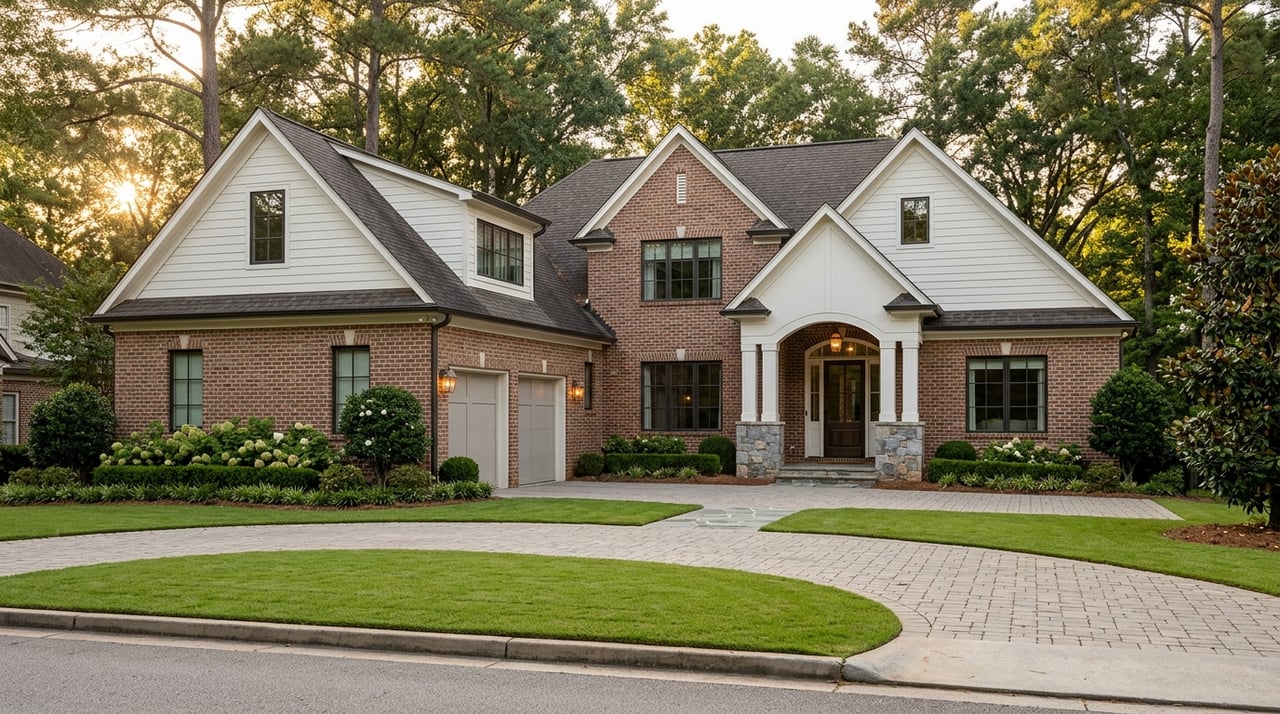
Thinking about moving up within Cameron Pond but not sure whether to buy your next home before you sell your current one? You are not alone. Many west Cary owners want a bigger yard, a new layout, or a change in lifestyle and worry about timing, costs, and risk. In this guide, you will get a clear, local framework to compare buy-first and sell-first paths, the tools that make each work, and neighborhood-sized timelines. Let’s dive in.
Cameron Pond snapshot
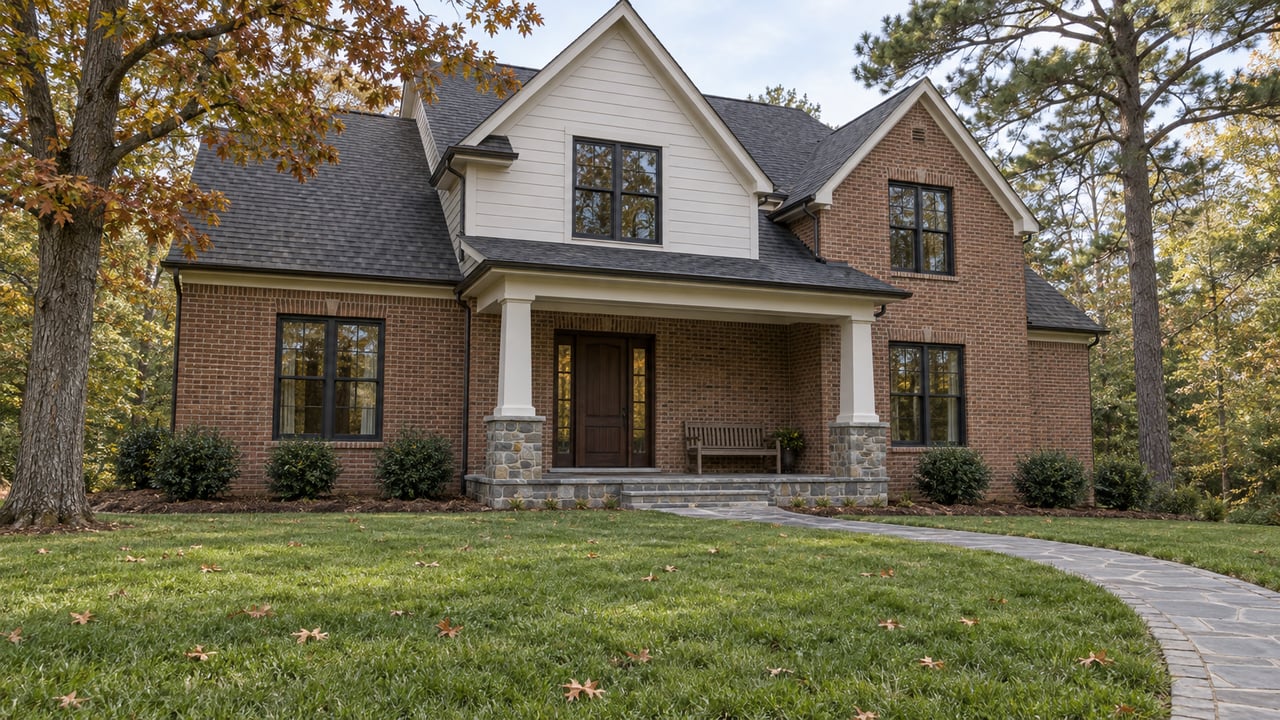
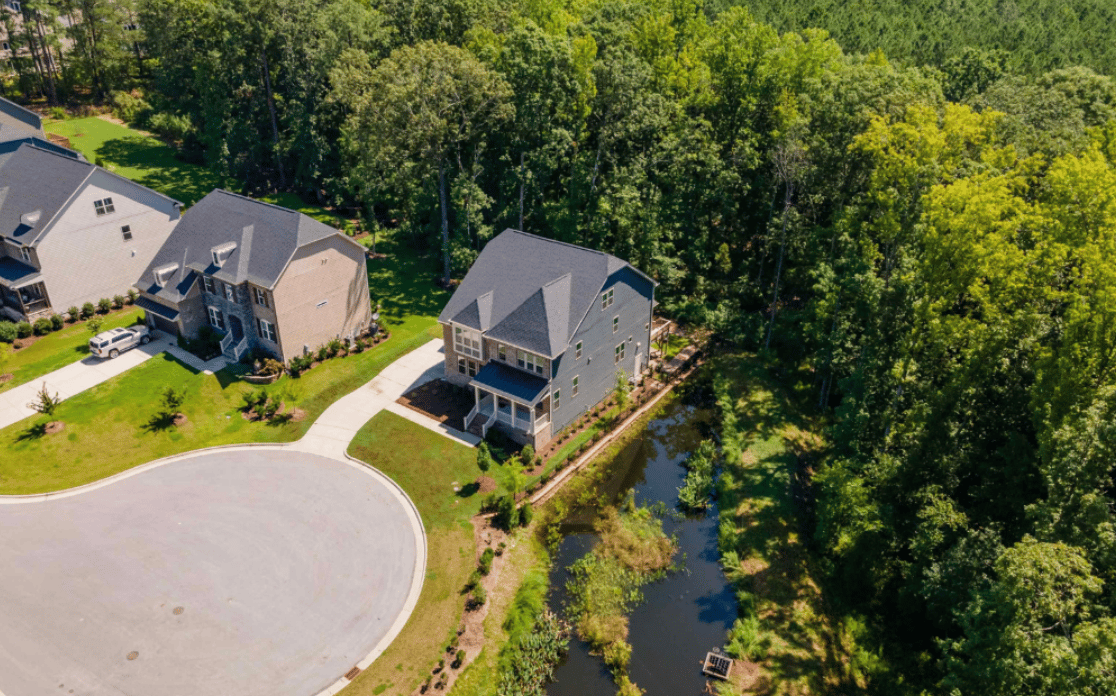
Cameron Pond sits in west Cary, ZIP 27519, with custom and estate-style single-family homes, a community pool, and greenway access that connects to area trails. Cary’s planning materials and neighborhood guides highlight these amenities and pond-front setting, which draw move-up buyers who value space and convenience (Town of Cary greenways).
Home values in Cameron Pond often sit above Cary’s overall averages. Across Cary, typical home values trend in the low-to-mid $600,000s, and the median time from list to pending contract sits under two months. That pace matters when you plan a sale and a purchase back to back.
Mortgage rates also shape timing. In March 2026, 30-year fixed averages hovered in the low-to-mid 6 percent range, which influences payment size and how competitive you can be if you try to hold two mortgages for a short period (Freddie Mac averages).
The core decision: buy first or sell first
At a high level, you have three paths. Each has a different balance of convenience, cost, and risk.
Sell first: budget clarity
Selling first gives you known proceeds and keeps you at one mortgage at a time. That lowers risk and helps you set a firm budget for the next home. In Cary’s current pace, you can plan for a marketing window measured in weeks, not quarters, then a 30 to 45 day escrow to close.
The tradeoff is logistics. You may need temporary housing or storage and two moves. A short post-closing occupancy agreement, sometimes called a rent-back, can soften that impact if your buyer’s lender allows it (how rent-backs work).
Best when:
- You need sale proceeds for the down payment.
- You want to avoid the risk of carrying two mortgages.
- You prefer a simpler debt-to-income profile for lender approval.
Buy first: one move and maximum convenience
Buying your next home first lets you move only once and stage your Cameron Pond home after you have moved out. Your purchase offer can be stronger without a home-sale contingency, especially if you pair it with solid financing.
The risk is financial. If your home takes longer to sell, you could carry two mortgages plus taxes, insurance, and HOA dues for a period. With rates in the low-to-mid 6s, even a small rate change can shift monthly costs. For example, on a $700,000 loan, a 0.5 percent rate change can adjust the principal-and-interest payment by a few hundred dollars each month. That is why pre-approval and stress tests are essential (bridge loan basics).
Best when:
- You have strong equity or cash reserves.
- You can qualify while still owning your current home.
- You want maximum control over timing and presentation.
Hybrid: buy first with short-term funds
If you want a one-move plan but need access to your equity, you can use short-term tools like a bridge loan or a home equity line of credit (HELOC) to write a non-contingent offer, then repay the short-term financing once your current home sells.
Pros include stronger offers and smoother logistics. Cons include higher short-term interest or fees and lender qualifying requirements. These tools work best when you have healthy equity, steady income, and a clear plan to list your current home quickly after you close on the new one.
Financing tools that make the move work
Bridge loans
A bridge loan provides short-term funds to cover your down payment and sometimes carrying costs until your sale closes. Lenders often expect strong equity, stable income, and adequate reserves. Costs can be higher than a standard mortgage and you may owe interest while both homes are in play. Learn the basics and typical pros and cons in this overview of bridge loans (what a bridge loan is).
Quick checklist for bridge loans:
- Estimate interest, origination fees, and possible appraisal charges.
- Ask how the lender calculates debt-to-income when you own both homes.
- Confirm the term length and any repayment rules if the sale takes longer than expected.
HELOCs on your current home
A HELOC can unlock equity at a lower cost than many bridge loans. It is a revolving line with a draw period, then a repayment period, and often a variable rate. Read the Consumer Financial Protection Bureau’s guide to understand fees, draw rules, and how payments can change over time (CFPB HELOC guide).
Use cases for a HELOC:
- Cover a down payment gap or closing costs on the new home.
- Fund light prep work on your current home before listing.
- Provide a cushion for overlapping expenses while both homes are on the market.
Home-sale contingencies
A home-sale contingency makes your purchase conditional on selling your current home. It protects your liquidity if you must use sale proceeds. In competitive submarkets, sellers often view these offers as weaker because there is more uncertainty. If you use one, keep timelines tight, show proof that your home is ready for market, and understand kick-out clauses that allow the seller to keep showing the home to others (prepping for simultaneous moves).
FHA and VA assumptions
If your current loan is FHA or VA and has a low rate, a qualified buyer may be able to assume it with servicer approval. That can make your listing more attractive and simplify the buyer’s financing. Always verify eligibility and servicer rules before advertising an assumable loan (FHA and VA assumptions explained).
Rent-back agreements
A post-closing occupancy agreement can let you stay in your home for a set number of days after closing while you finish your purchase or move. Terms include daily rent, a security deposit, and proof of insurance. Some loan programs limit the length of rent-backs on the buyer’s side, so confirm lender and title company requirements early (how rent-backs work).
Decision framework for Cameron Pond owners
Use this four-step process to choose your path with confidence.
- Run the numbers
- Price your current home using a local comparative market analysis and recent neighborhood activity.
- Estimate net proceeds after payoff and selling costs.
- Build a conservative budget for the next home. Include closing costs, moving, storage, and any overlap expenses.
- Test financing early
- Get pre-approved for your buy-first and sell-first scenarios.
- Ask your lender to model debt-to-income and reserve requirements if you own both homes for 60 to 90 days.
- If you may cross the conforming limit, confirm loan size and whether you need a jumbo product. The 2026 baseline conforming limit is $832,750 (FHFA 2026 limits).
- Choose a timeline
- Factor in Cary’s median days-to-pending, which currently sits under two months, plus a 30 to 45 day escrow.
- Build a backup plan if your sale takes longer or your purchase closes sooner.
- Protect the plan with contracts
- If you sell first, negotiate a short rent-back to avoid double moves when possible.
- If you buy first, tighten contingencies and bring strong proof of funds or financing.
- If you use a home-sale contingency, provide a clear listing plan and timelines to the seller.
Sample timelines to make it real
Path 1: Sell first, then buy
- Weeks 1–3: Prep, photography, and list your Cameron Pond home.
- Weeks 4–8: Active marketing. Aim for a contract within the neighborhood’s typical window.
- Weeks 9–14: Escrow and closing on your sale. Negotiate a short rent-back if you want to house hunt post-closing.
- Weeks 12–18: Shop and go under contract on your next home using known proceeds. Close in 30 to 45 days.
Why it works: You carry one mortgage at a time and lock your budget. The tradeoff is possible temporary housing or storage.
Path 2: Buy first, then sell
- Weeks 1–2: Full pre-approval and plan for overlapping costs.
- Weeks 3–6: Shop and write a strong, non-contingent or minimally contingent offer.
- Weeks 7–12: Close on the new home. Move and stage your current home while vacant.
- Weeks 13–18: List and sell your Cameron Pond home. Use sale proceeds to replenish savings or pay down any short-term financing.
Why it works: You move once and can show your home at its best. The tradeoff is carrying costs if the sale takes longer.
Path 3: Hybrid with bridge or HELOC
- Weeks 1–3: Secure a bridge loan or HELOC and complete pre-approval.
- Weeks 4–8: Buy your next home and close in about 30 to 45 days.
- Weeks 9–14: List and sell your current home promptly. Repay the bridge or reduce the HELOC balance with proceeds.
Why it works: You compete like a non-contingent buyer using your equity. The tradeoff is short-term interest, fees, and qualifying requirements.
Risk checks before you act
- Model a 90 day overlap. Include both mortgage payments, taxes, insurance, HOA dues, utilities, storage, and moving.
- Confirm lender rules on how they count both payments in debt-to-income and what reserves you need (bridge loan qualifying).
- If you must use a sale contingency, present your listing plan, pricing strategy, and prep status to strengthen your offer (offer prep tips).
Local move-up tips for Cameron Pond
- Use a neighborhood CMA, not citywide averages, to set price and timing.
- If your next purchase could fall near the conforming limit, ask your lender to compare conforming and jumbo side by side (2026 conforming limits).
- Consider a light refresh before listing. Simple paint, landscaping touch-ups, and professional staging can shorten time to contract.
- Keep your offer package clean. Short inspection windows, flexible closing dates, and verified funds improve acceptance odds when inventory tightens.
- If timing is tight, explore a short rent-back or a trade-in style program that offers timing certainty in exchange for fees. Compare net proceeds to an open-market sale before you choose (overview of trade-in style options).
How we can help
You deserve a plan that fits your family and your finances. Our concierge, neighborhood-led approach pairs data-informed pricing with hands-on guidance. We help you compare scenarios, connect you with trusted lenders, prepare a polished listing that meets the Cameron Pond standard, and time the logistics so you can move with confidence. If you are considering a move-up in west Cary, let’s tailor your path.
Ready to talk timing, numbers, and next steps? Connect with Azita K Wilson for a complimentary neighborhood consultation or a custom CMA for your Cameron Pond home.
FAQs
Can I qualify for a new mortgage while I still own my Cameron Pond home?
- Possibly. Lenders review debt-to-income and reserves. Short-term tools like a bridge loan or HELOC can help. Get pre-approved for both paths before you make offers (bridge loan overview).
Are home-sale contingencies realistic in Cary right now?
- They can work in slower micro-markets, but in competitive pockets sellers often prefer cleaner offers. If you use one, keep timelines tight and show you are market-ready.
What does a rent-back agreement look like?
- It is a post-closing occupancy with a daily rent, deposit, and clear end date. Some loan programs limit length, so confirm with your buyer’s lender and your closing team early (rent-back basics).
How much do bridge loans or trade-in programs cost?
- Bridge loans usually carry higher rates and fees than first mortgages. Trade-in or guaranteed-offer programs charge program fees or may net less than an open-market sale. Compare your net proceeds side by side (bridge loan overview).
What should I know about conforming vs. jumbo loans for Cary?
- The 2026 baseline conforming limit is $832,750. If your loan amount exceeds that, jumbo underwriting and rates apply. Ask your lender to compare options (FHFA 2026 limits).