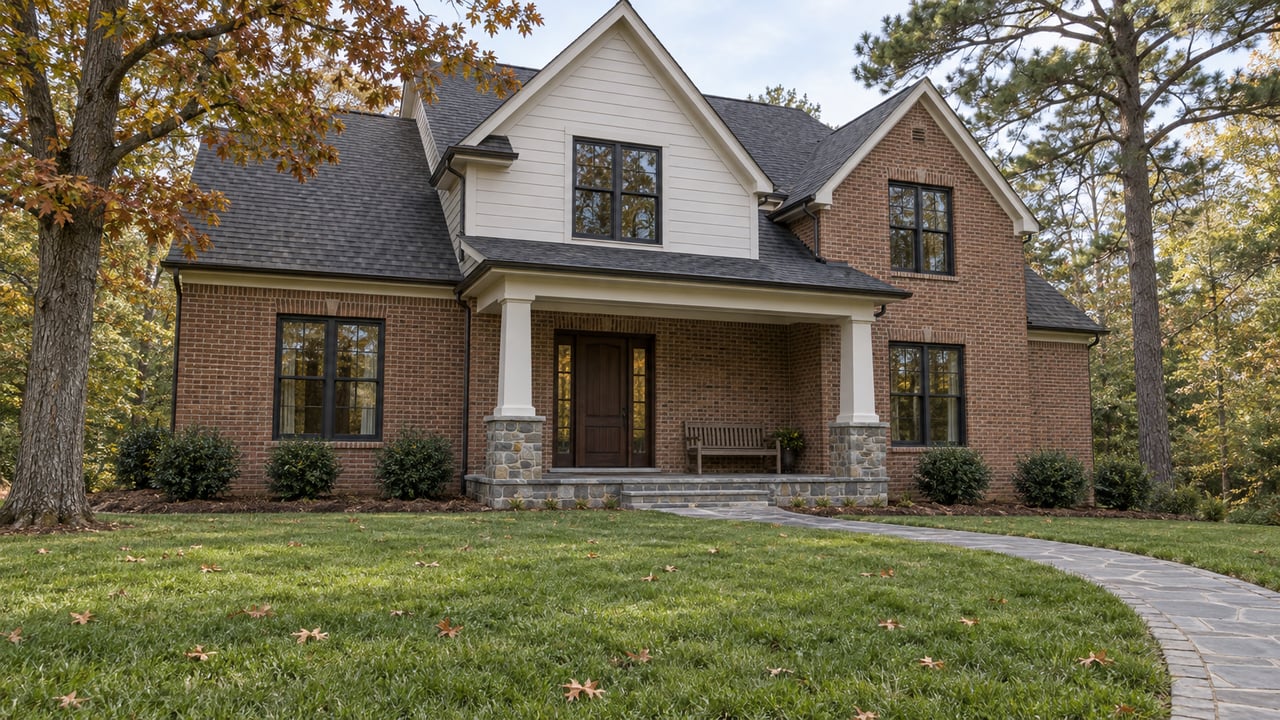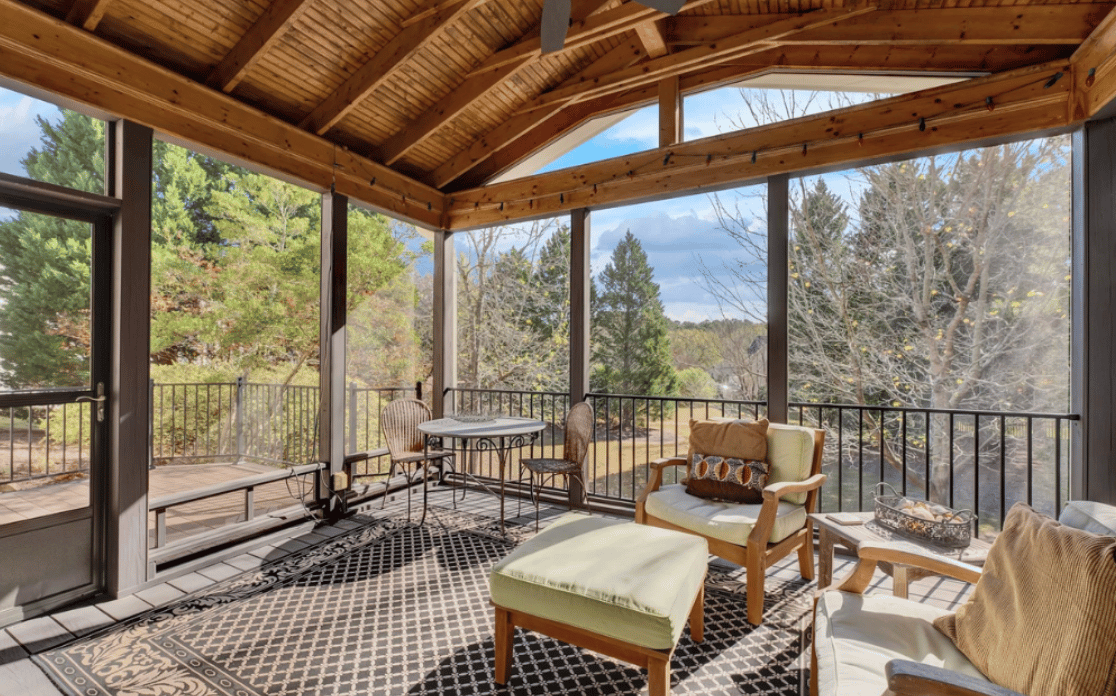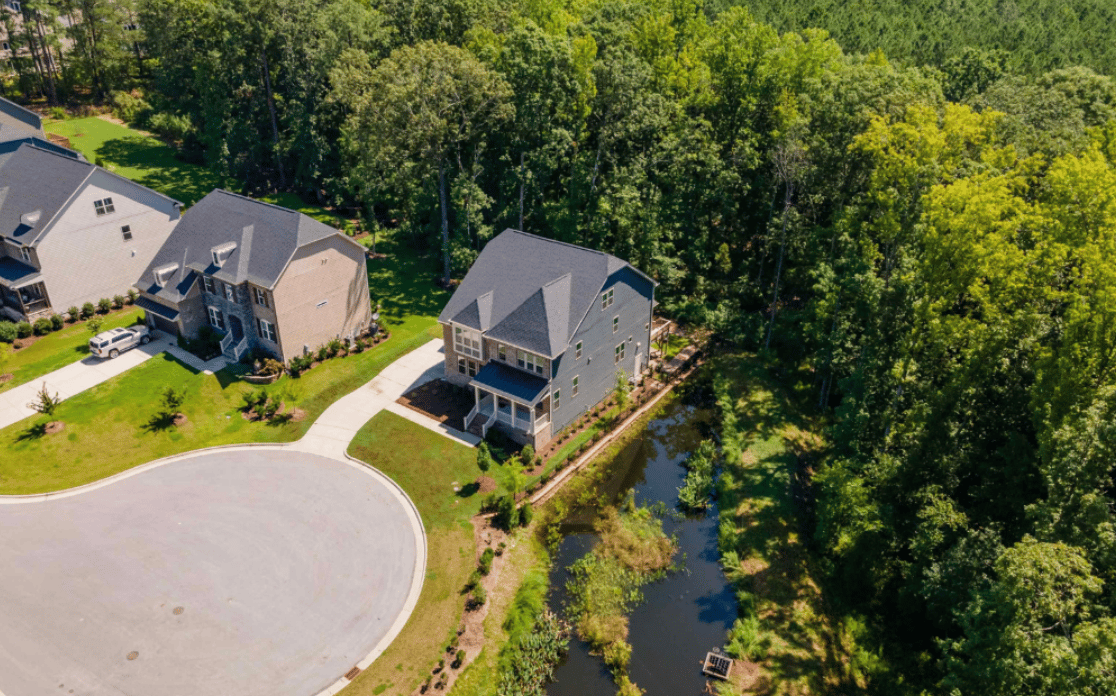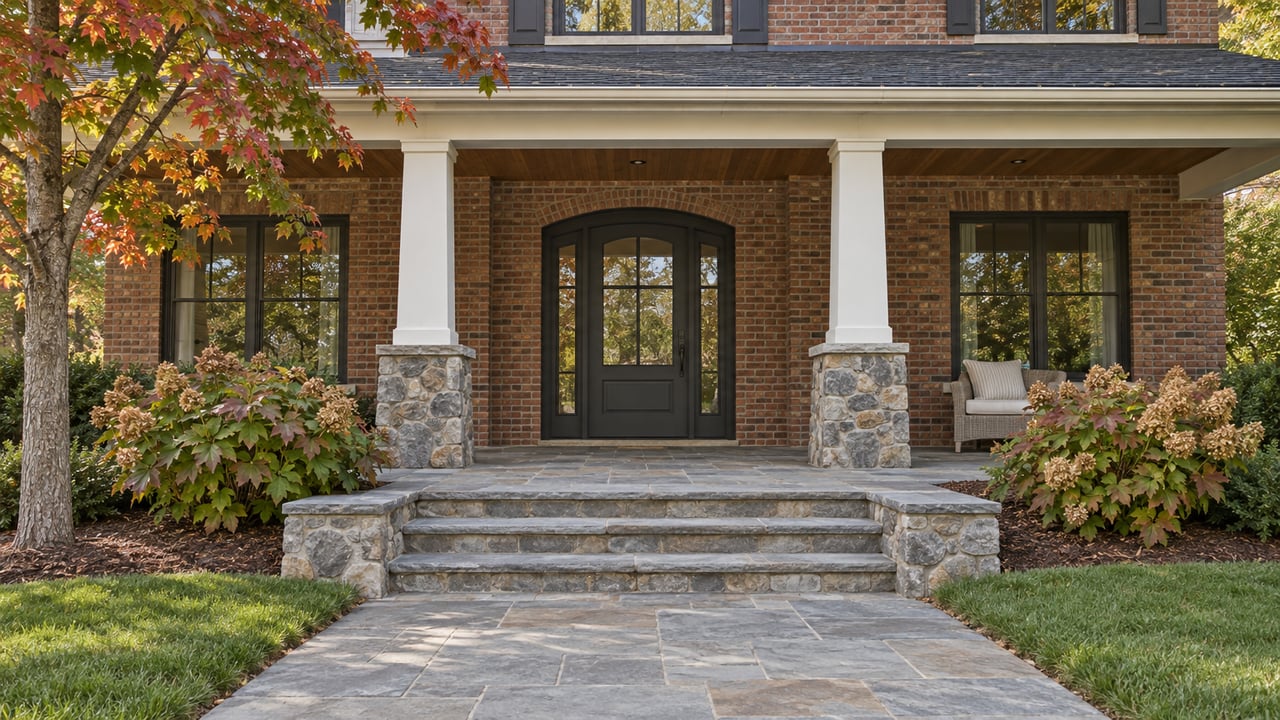
If you price your Amberly home based on a neighborhood average alone, you could leave money on the table or miss buyers right out of the gate. That is especially true in a community as layered as Amberly, where home type, section, condition, and nearby competition can all shape what buyers are willing to pay. In this guide, you’ll see what today’s market data suggests, how to think about pricing in Amberly, and what can help your home stand out when buyers have choices. Let’s dive in.
Amberly pricing starts with the right section
Amberly is a large master-planned community in Cary’s 27519 area, with more than 1,100 acres and multiple residential sections. Community sources note that it could ultimately include as many as 5,155 homes plus a 75-acre town center. That scale is important because buyers do not view every Amberly home the same way.
Within Amberly, pricing can vary sharply by subcommunity and home type. Carolina Preserve, for example, is a 55+ enclave within Amberly, while other sections include townhomes and larger single-family homes. Realtor.com neighborhood data cited in the research shows subarea medians ranging from $534,999 in Carolina Preserve to $974,500 in The Peninsula at Amberly.
That means your first pricing decision is not “What is Amberly worth?” It is “What is my section of Amberly worth for a home like mine?” A broad neighborhood average can be useful for context, but it is rarely precise enough for a real listing strategy.
What current Amberly data shows
Recent numbers point to a market that is active, but careful. Redfin reports a three-month median sale price of $670,774 as of May 2026, with homes selling in about 11 days and 45 homes sold in May. Realtor.com’s Amberly snapshot shows a $650,000 median listing price, a $639,000 median sold price, 20 active listings, 24 median days on market, and a 100% sale-to-list ratio.
Those figures tell an important story. Buyers are still engaging in Amberly, and well-positioned homes can sell near asking price. At the same time, the gap for overpricing appears small, which means the market may reward accuracy more than ambition.
Recent sold examples reinforce that point. Redfin’s sold snapshot includes townhomes closing at $448,000 and $517,000, a three-bedroom single-family home at $785,000, a five-bedroom home at $1,025,000, and a larger five-bedroom, four-and-a-half-bath home at $1,445,000. That is a wide price ladder, and it shows why your comp set has to reflect your exact property style and position in the neighborhood.
Amberly still sits within Cary’s broader market
It also helps to view Amberly in the context of Cary as a whole. Redfin shows a Cary median sale price of $629,623 with 22 median days on market, while Realtor.com shows a Cary median listing price of $616,250 and 35 median days on market. Based on the research, Amberly is running modestly above the citywide norm, but still within the larger Cary pricing band.
That matters because many buyers searching for Amberly are also comparing homes in other Cary neighborhoods. If your home is priced too far outside what nearby options offer, buyers may simply shift their search. In a market with choices, your price has to make sense both inside Amberly and against competing listings nearby.
Why broad averages can misprice your home
Averages are tempting because they are simple. The problem is that Amberly is not simple.
A townhome buyer is not using the same yardstick as a buyer considering a larger detached home. A home in a higher-end section with a stronger lot position and updated finishes should not be judged against entry-level attached product. In the same way, a home in a 55+ enclave should be compared with that niche market, not with every sale across the full master-planned community.
Pricing precision protects equity. If your home is grouped with the wrong segment, the number may look reasonable on paper but fail in the real market. Buyers tend to spot that quickly, especially in neighborhoods they have been following closely.
Use comps by home type and amenity profile
The strongest pricing strategy in Amberly usually starts with recent sold homes that match your property style. The research points to four practical steps, and the first two are especially important: start with the correct submarket, then use recent solds of the same style and similar amenity profile.
For example, a townhome seller should focus on recent attached-home sales, not detached homes with very different square footage and lot features. A seller of a larger single-family home should look closely at homes with similar bedroom count, bath count, lot setting, and level of finish. In a neighborhood with a wide sales range, these details matter.
Amenity profile also plays a role in buyer perception. Amberly’s value is tied to its lifestyle offering, including a resident’s club, outdoor pools, waterslides, a fitness center, walking trails, a gym, and a community design centered around a park and a 16-acre lake with greenways. Carolina Preserve adds its own extensive amenity package, including a 35,000-square-foot clubhouse, indoor and outdoor pools, tennis, pickleball, bocce, and more than 120 clubs.
If your home’s location, section, or access pattern ties closely to these amenities, that can influence buyer interest. The Town of Cary’s greenway data also notes that greenways connect neighborhoods, provide recreation, and add value by proximity. That does not mean every home gets the same premium, but it does mean these features can shape how buyers compare options.
New construction is part of your competition
One of the biggest pricing mistakes sellers make is looking only at resale competition. In and around Cary, many buyers are also touring new construction.
The research identifies several nearby options. Lennar’s Townes at Apollo in Cary 27519 is an upcoming townhome community priced from the $500s, with plans around 2,179 to 2,449 square feet. Taylor Morrison’s Hidden Creek in Cary is advertised from $735,999, and Young Farm starts from $745,999, with quick move-in options in the mid-$800,000s to low-$900,000s. At the luxury end, Toll Brothers’ Millstone in Cary starts at $1,941,000.
This matters because buyers often compare an existing home with a new one, even if the neighborhoods differ. A resale home may offer a more established setting, mature landscaping, and a proven community lifestyle. A new home may offer current finishes, warranties, and builder incentives.
If your home has dated finishes, deferred maintenance, or a less compelling lot position, pricing has to reflect that reality. Buyers who feel they can get something newer for a similar payment may expect stronger value from a resale listing.
Condition can matter as much as square footage
In a market where well-priced homes can still sell near asking, presentation matters. The research notes that minor cosmetic updates like paint, fixtures, and landscaping often help more than major renovations in Cary.
That is a useful takeaway for Amberly sellers. You do not always need a full remodel to improve your pricing position. Often, the visible basics shape buyer reaction most in the first few days on market.
Before listing, it may help to focus on:
- Fresh, neutral paint where needed
- Updated light fixtures or hardware if older finishes stand out
- Tidy landscaping and refreshed mulch beds
- Deep cleaning and decluttering
- Staging that helps buyers understand the home’s scale and flow
These steps support pricing by helping buyers see the home as move-in ready. When buyers are comparing your home with both resale and new construction, that first impression can make a real difference.
A smart Amberly pricing strategy
If you are getting ready to sell, a practical pricing plan usually follows a clear sequence. The goal is to match market reality without undercutting your home’s value.
Step 1: Identify your true submarket
Start with your exact section of Amberly and your property type. A townhome, a move-up single-family home, and a home in Carolina Preserve should not be measured with the same lens.
Step 2: Review recent matching solds
Look at recent closed sales with similar style, size, finish level, and amenity profile. In Amberly, the price spread is too wide for loose comparisons.
Step 3: Compare active competition
Study current listings inside Amberly and nearby Cary options. If buyers can choose between your home and a newer alternative at a similar price point, your pricing has to account for that.
Step 4: Adjust for condition and presentation
Factor in updates, maintenance, and lot appeal honestly. Homes that feel clean, current, and well-prepared often have a stronger chance of attracting serious interest quickly.
Step 5: Launch at a price buyers will act on
The data suggests Amberly buyers are active, but not careless. A home that enters the market at an appealing and defensible price may have a better chance to capture early attention than one that starts high and chases the market later.
Why overpricing can cost more than you expect
Some sellers hope to leave room for negotiation by starting high. In a price-sensitive market, that strategy can backfire.
When buyers see a home sit, they may assume something is off, even if the home itself is appealing. That can reduce urgency and lead to lower offers later. In a neighborhood where many homes can sell near list price when positioned correctly, overpricing may create the very discount sellers wanted to avoid.
The current Amberly data points to a market where buyers still respond, but they are comparing carefully. That is why pricing with today’s market in mind is not about being conservative. It is about being credible.
Pricing your Amberly home with confidence
Amberly remains one of Cary’s most recognized master-planned communities, and that visibility can work in your favor. Buyers know the name, understand the lifestyle draw, and often search the neighborhood intentionally. Still, strong demand does not remove the need for precision.
The best pricing approach usually blends neighborhood-level insight, recent sold data, active competition, and thoughtful presentation. When those pieces come together, you put your home in a stronger position to attract the right buyers and protect your value.
If you are thinking about selling in Amberly and want a pricing strategy built around your section, your home type, and today’s buyer expectations, Azita K Wilson can help you create a clear, data-informed plan with concierge-level guidance from start to finish.
FAQs
How should you price a home in Amberly, Cary?
- The strongest approach is to price by Amberly subcommunity, home type, recent comparable sales, current competition, and overall condition rather than using one neighborhood average.
What is the current market like for Amberly homes?
- Recent research shows Amberly remains active, with homes often selling near asking when priced well, but buyers appear sensitive to overpricing.
Do townhomes and single-family homes in Amberly need different pricing strategies?
- Yes. Recent Amberly sales show a wide price range, so attached homes and detached homes should be compared within their own category.
How does new construction affect Amberly resale pricing?
- Nearby new-construction communities in Cary create competition across several price bands, so resale homes need to account for condition, finishes, and buyer comparisons.
What updates matter most before listing an Amberly home?
- The research suggests visible cosmetic improvements such as paint, fixtures, and landscaping often help more than major renovations when preparing a home for sale in Cary.