Wondering whether your Cary Park home should be marketed like every other listing nearby? It should not. A townhome and a detached home attract buyers for different reasons, and your pricing, prep, and presentation should reflect that from day one. If you want to sell with less guesswork and more confidence, it helps to understand how each property type competes in the Cary Park market. Let’s dive in.
Cary Park market context
Cary Park sits within a strong Cary housing market, where home values and buyer expectations tend to be higher than many surrounding areas. Cary’s 2025 Consolidated Plan reports a 62% homeownership rate, a median owner-occupied home value of $537,400, and a median single-family sales price of about $640,500 as of July 2024. The same plan notes that Cary’s housing mix is 73% single-family and 27% multi-unit, with future demand expected to stay balanced between those housing types.
That matters if you are selling in Cary Park because attached and detached homes are not interchangeable in the eyes of buyers. Cary’s 2022 Housing Plan says attached single-family homes, including townhomes, are generally smaller, less costly, and require less exterior maintenance. It also notes that the median detached single-family home in Cary is about 2,400 square feet, compared with about 1,200 square feet per attached unit.
In other words, buyers are not just comparing square footage. They are comparing lifestyle, upkeep, layout, and value. That is why the right selling strategy starts with your property type.
Townhomes sell convenience and efficiency
If you are selling a Cary Park townhome, your buyer is often looking for ease, simplicity, and smart use of space. Cary’s housing plan points to lower maintenance and lower cost as key benefits of attached homes. In a neighborhood like Cary Park, that can make a townhome especially appealing to buyers who want a streamlined homeownership experience.
Your marketing should focus on how the home lives day to day. Buyers may respond more to an efficient layout, updated finishes, natural light, garage storage, and access to neighborhood amenities than to raw room count alone. In many cases, a well-presented 1,700-square-foot townhome can feel more compelling than a larger one with a choppy layout or dated finishes.
Current Cary Park townhome listings show a wide pricing range, including examples around $333,000 for 1,552 square feet, $349,000 for 1,742 square feet, $355,000 for 1,800 square feet, $399,900 for 2,020 square feet, $459,900 for 1,928 square feet, and $540,000 for 2,801 square feet. That spread shows how much layout efficiency, condition, and finish level can influence value. It also shows why pricing by bedroom count alone can miss the mark.
What buyers notice in townhomes
When buyers tour townhomes, they are often studying how comfortably the space functions. They may pay close attention to:
- End-unit light exposure
- Kitchen and bath updates
- Garage and storage utility
- Clear, open sight lines
- Move-in readiness
- Proximity to the lake greenway or swim club
Cary Park’s amenity story can support your home’s appeal. The Town of Cary describes the Cary Park Lake Greenway as a 1.9-mile loop around a two-part lake with connections to Mills Park and Southbridge. The Cary Park Swim Club registration site also lists a six-lane lap pool and a children’s pool with a slide, giving sellers a real lifestyle angle to highlight.
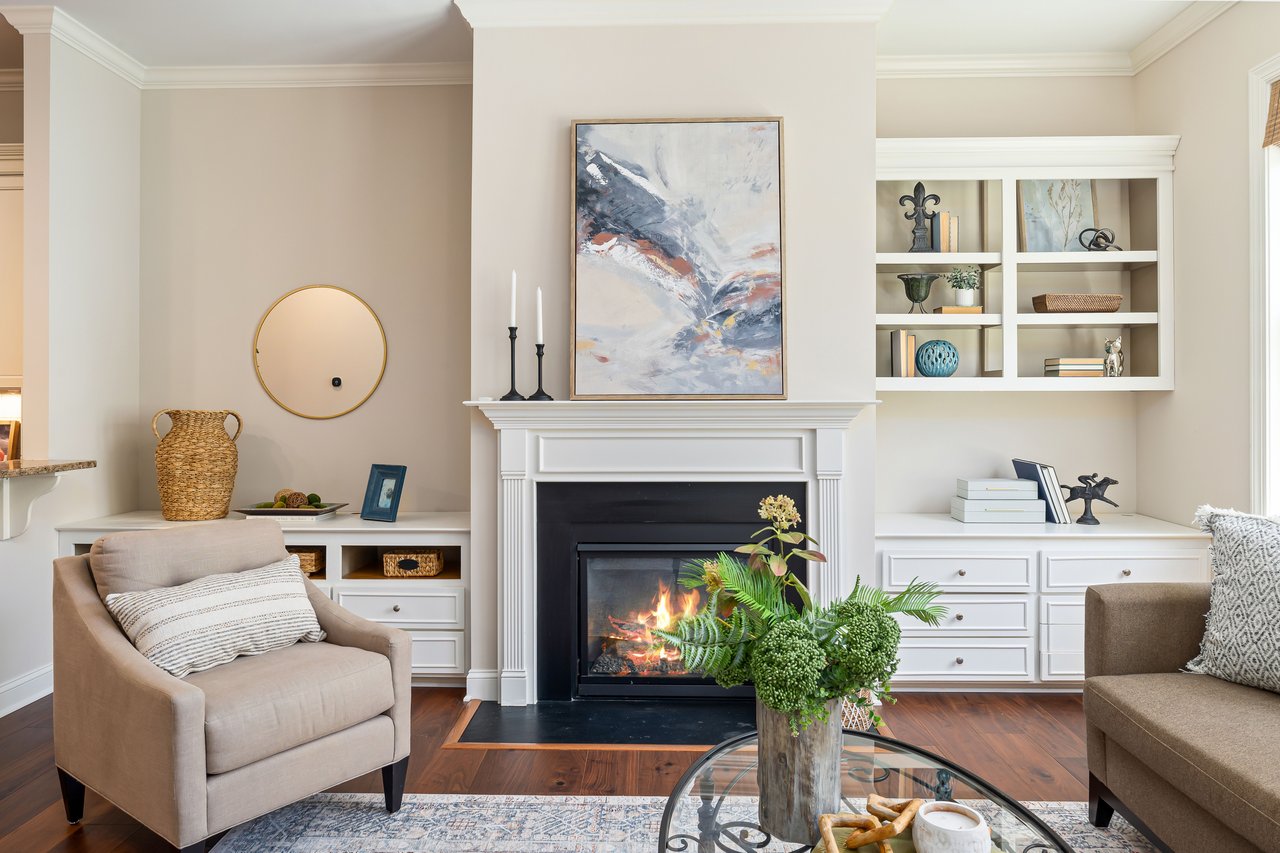
Townhome staging should create space
With a townhome, staging should make rooms feel larger, not fuller. The National Association of Realtors reported in 2025 that 83% of buyers’ agents said staging helps buyers visualize a home, and the living room, primary bedroom, and kitchen were the most important spaces to stage. The same report found that photos, traditional staging, videos, and virtual tours all matter to buyers.
For a Cary Park townhome, that often means smaller-scale furniture, fewer decorative items, and a cleaner visual flow. Clear counters, open walkways, and lighter room styling can help buyers focus on the layout. Since 49% of sellers’ agents in that report observed reduced time on market from staging, presentation is not something to treat as optional.
Detached homes sell space and flexibility
If you are selling a detached home in Cary Park, the value story changes. Buyers usually expect more square footage, more outdoor space, and more flexibility in how the home can be used. That means your marketing should reach beyond the interior and show the full property experience.
Current Cary Park detached listings illustrate that broader range. Examples on Realtor.com include listings at $600,000, $865,000, $985,000, $1,099,000, $1,150,000, and $1,430,000, with lot sizes from about 0.25 to 0.42 acres and interiors ranging from about 2,156 to 4,539 square feet. That is a different buyer conversation than the one happening in the townhome segment.
A detached home gives you more to showcase, but it also gives buyers more to evaluate. They are looking at the lot, privacy, outdoor living, storage, garage count, and whether the home feels ready for everyday life. If the property has a bonus room, home office potential, or strong entertaining flow, those details should be front and center.
What buyers notice in detached homes
Detached-home buyers often pay attention to the full package. Their decision may be shaped by:
- Yard usability
- Patio, deck, or porch appeal
- Privacy from neighboring homes
- Flexible rooms for work or hobbies
- Garage capacity
- Overall move-in condition
Because detached homes in Cary are materially larger than attached homes, buyers tend to evaluate how the home supports different routines and long-term needs. A larger home with a well-used lot can compete very differently than a townhome, even in the same neighborhood.
Detached staging starts outside
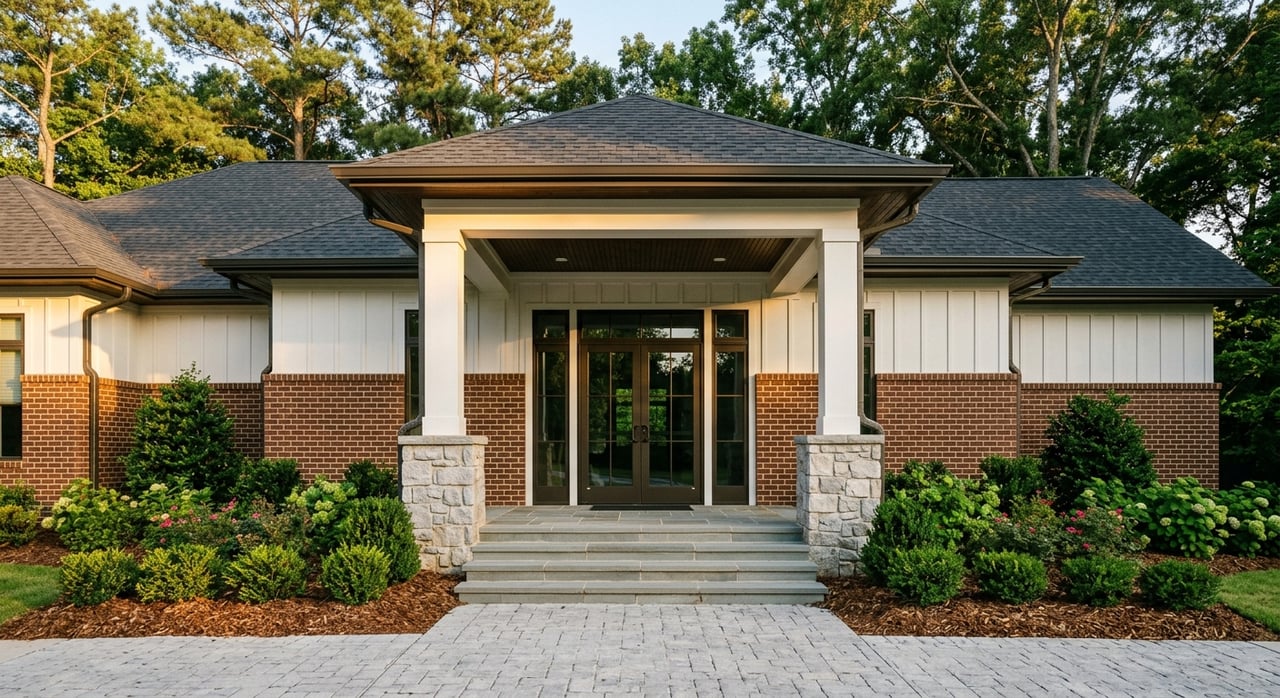
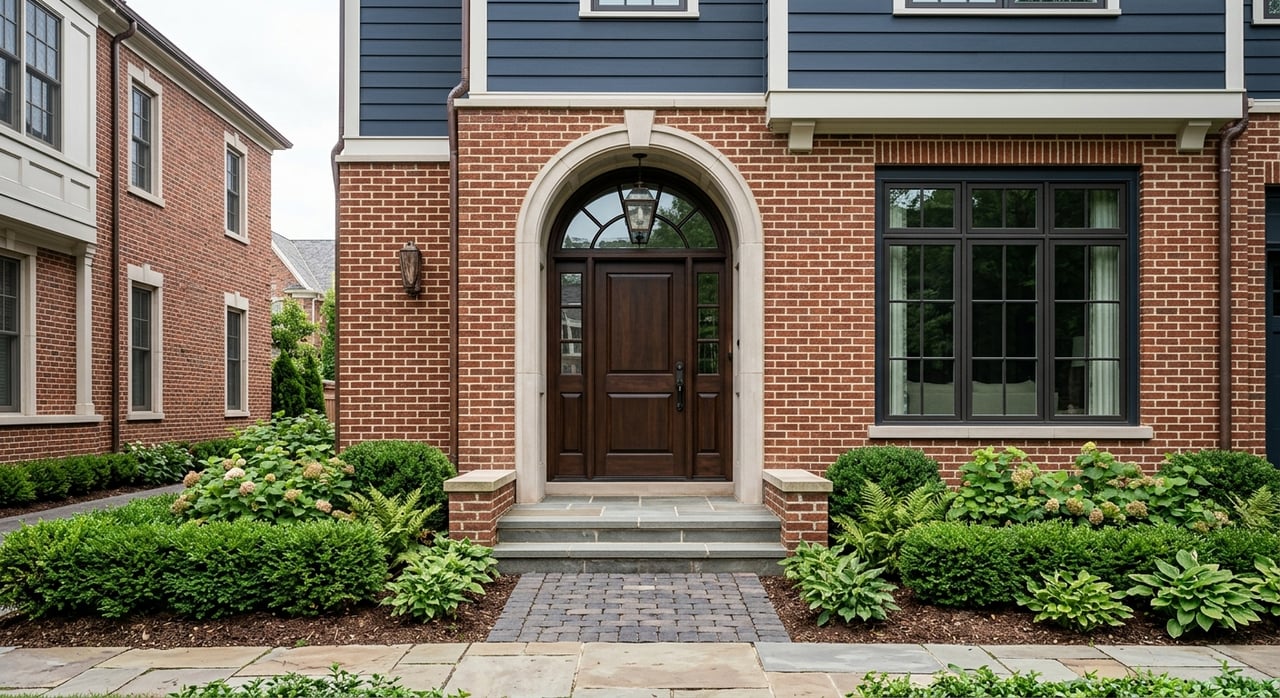
For a detached home, curb appeal is part of the first showing. Exterior photography, landscaping, and the look of the entry matter because buyers are judging the whole lot experience before they even step inside. If a patio, deck, or backyard seating area adds value to daily life, that should be styled and photographed thoughtfully.
The same staging principles still apply inside the home. Buyers want to picture themselves living there, and strong visuals can shape that reaction quickly. A detached home simply asks you to prepare both the interior and exterior with equal care.
Pricing should match sold reality
One of the biggest mistakes sellers make is leaning too heavily on active listing prices. In Cary Park, the gap between asking prices and broader sale trends is a reminder that pricing should be tied to sold comparables, not just current competition. Portal snapshots show Cary Park at a median listing price of $409,900 on Realtor.com, while Redfin shows a broader Cary Park median sale price of $555,000 over the last three months.
Those numbers do not mean one source is right and the other is wrong. They mean the market has multiple segments, and your home needs to be priced within the right one. A townhome seller should not price like a detached-home seller, and a detached-home seller should not assume a premium based on property type alone.
There is even some overlap at the margins. Upper-end Cary Park townhomes reach into the mid-$500,000s, while the detached-home side shows at least one listing at $600,000. That overlap makes condition, lot, updates, and presentation especially important when setting a list price.
Days on market can vary
Cary Park is not a one-speed market. Recent portal data suggest listings may take several weeks to sell, with Realtor.com showing about 48 days on market and Redfin’s Cary Park townhouse page showing about 65 days. That makes your pre-listing strategy more important.
If homes are sitting, buyers tend to become more selective. They compare condition more carefully, they notice pricing gaps faster, and they may wait for adjustments. A tailored launch plan can help you avoid becoming just another listing buyers scroll past.
What to prepare before listing
Whether you own a townhome or a detached home, a smooth sale usually starts with organized prep. The details you gather before going live can help reduce confusion and build buyer confidence.
Townhome seller checklist
If you are selling a Cary Park townhome, it helps to prepare:
- HOA or POA documents
- Current dues information
- Amenity details and access information
- Parking details
- Garage or storage notes
- A staging plan for compact rooms
Townhome buyers often want predictable carrying costs and a clear understanding of what is included. Having that information ready can make your listing feel more complete and easier to evaluate.
Detached home seller checklist
If you are selling a detached home, focus on both the house and the lot. Helpful prep may include:
- Exterior touch-ups and landscaping
- Patio, deck, or porch cleanup
- Professional photography planning
- A room-by-room staging approach
- Notes on storage, garage space, and flexible rooms
- A pricing review based on recent sold comparables
With detached homes, first impressions often begin from the street. The more polished and cohesive the property feels, the easier it is for buyers to connect the asking price to the overall experience.
Why one strategy does not fit both
Cary Park offers buyers a mix of attached and detached living, and each category appeals for different reasons. Townhomes often win on low-maintenance living, efficient space, and amenity access. Detached homes usually compete on lot size, privacy, flexibility, and expanded indoor-outdoor living.
That difference should shape everything from pricing to staging to photography. A generic listing plan can leave value on the table because it fails to match what buyers in each category are actually looking for. The strongest results usually come from a strategy built around the home you have, not the neighborhood average.
If you are thinking about selling in Cary Park, a property-type-specific consultation can help you decide what to improve, how to price, and which features deserve the spotlight. When your marketing matches your home’s true value story, buyers can see it faster and respond with more confidence.
If you want a tailored plan for your Cary Park townhome or detached home, connect with Azita K Wilson for a complimentary neighborhood consultation and personalized home valuation.
FAQs
How is selling a Cary Park townhome different from selling a detached home?
- A Cary Park townhome is usually marketed around low-maintenance living, efficient space, and amenities, while a detached home is typically marketed around lot size, privacy, flexibility, and outdoor living.
What should Cary Park townhome sellers emphasize in marketing?
- Cary Park townhome sellers should usually highlight layout efficiency, updated kitchens and baths, natural light, storage, garage function, and proximity to the lake greenway or swim club.
What should Cary Park detached-home sellers do before listing?
- Cary Park detached-home sellers should usually focus on curb appeal, landscaping, exterior photography, outdoor living areas, interior staging, and pricing based on recent sold comparables.
How long do Cary Park homes usually take to sell?
- Recent portal data cited in this article show Cary Park listings taking about 48 days on market on Realtor.com, while Redfin’s Cary Park townhouse page shows about 65 days, so timing can vary by property type and presentation.
Why should Cary Park sellers use sold comparables instead of active listings?
- Active listings show what sellers hope to get, but sold comparables better reflect what buyers have recently been willing to pay for similar homes in Cary Park.
What documents should Cary Park townhome sellers gather before listing?
- Cary Park townhome sellers should gather HOA or POA documents, dues information, amenity details, and clear notes about parking and storage before listing.