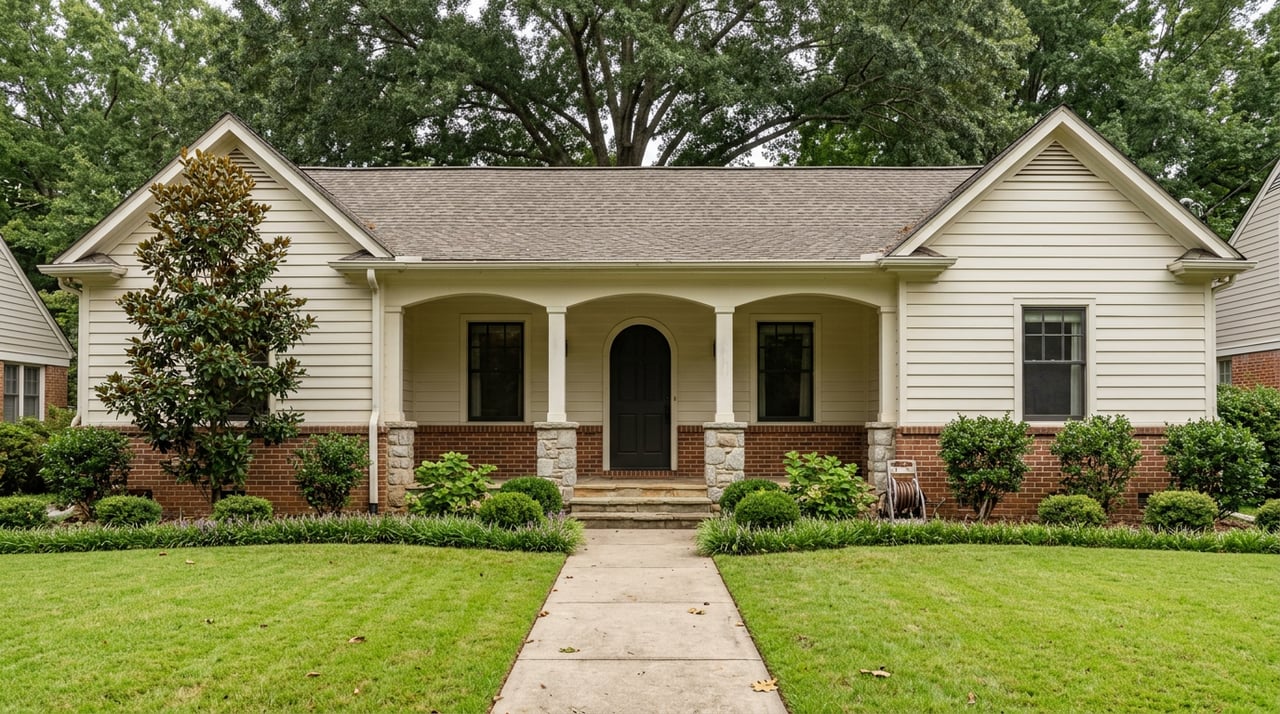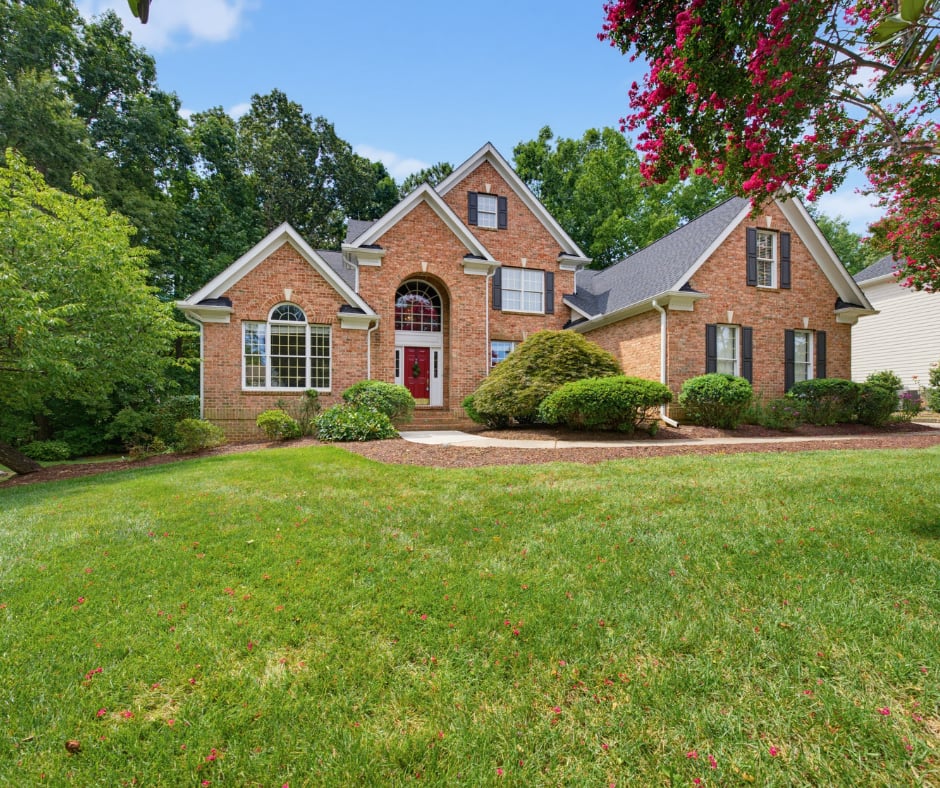
When buying a home, it’s easy to focus on the house itself—the floor plan, finishes, number of bedrooms, and backyard.
But a home is also an investment in a location. The neighborhood you choose can influence your daily lifestyle, future resale potential, and how well the property holds its value over time.
So, what makes a neighborhood a smart long-term investment?
Look Beyond the House
A beautiful home in the wrong location may not provide the lifestyle or long-term value you expect.
Before buying, consider what surrounds the property. Look at nearby shopping, restaurants, parks, recreation, healthcare, schools, major roads, and other amenities that matter to you.
Convenience can play an important role in both your quality of life and the future appeal of the neighborhood.
Pay Attention to Location and Accessibility
Think about how easy it is to get where you need to go.
Is the neighborhood conveniently located near major highways? How long is the commute to work? Are airports, business centers, entertainment, and everyday necessities within a reasonable distance?
A convenient location can remain attractive to future buyers, particularly in areas where access to employment and amenities continues to be important.
Research Future Development
A neighborhood can change significantly over the years.
Before buying, research planned developments, road improvements, commercial projects, new housing communities, and other changes that could affect the area.
Future development could bring additional amenities and convenience, but it could also introduce more traffic, construction, or changes to the character of the neighborhood.
Understanding what's planned—not just what's there today—can help you make a more informed decision.
Consider the Neighborhood's Appeal
Take a look at the overall condition and character of the community.
Are properties generally well maintained? Do streets, common areas, and landscaping appear cared for? Is there a strong sense of community?
While no neighborhood stays exactly the same forever, areas that remain desirable and well maintained can be more attractive to future homeowners.
Look at Housing Demand
Pay attention to what is happening with homes in the area.
Are properties selling consistently? How long are homes typically staying on the market? Are buyers competing for certain types of properties?
Strong demand can be an encouraging sign, but it's important to look at local trends rather than relying on broad real estate headlines.
Think About Resale Appeal
Even if you plan to stay in your home for many years, it's worth considering who might want to buy it from you someday.
Features such as convenient access, desirable amenities, practical home layouts, and a strong neighborhood reputation can help broaden the property's future appeal.
You don't need to predict exactly what the market will look like years from now. Instead, look for qualities that are likely to remain valuable to homeowners.
Consider Everyday Lifestyle
Long-term value isn't only about resale.
The right neighborhood should also support the way you actually want to live.
Think about:
- Your commute
- Access to shopping and dining
- Outdoor recreation
- Community amenities
- Schools and educational resources
- Traffic and accessibility
- Proximity to family and friends
- Your plans for the next several years
A neighborhood can be financially appealing, but if it doesn't fit your lifestyle, it may not be the right choice for you.
Don't Forget About Future You
Your needs may change after you purchase a home.
Perhaps you'll need a home office, additional space for a growing family, easier access to amenities, or a shorter commute in the future.
When evaluating a neighborhood, think beyond what works for you today. Consider whether the location could continue to fit your life several years from now.
Talk to a Local Real Estate Professional
Neighborhood research can involve more than looking at a map or browsing online listings.
A local real estate professional can provide insight into market activity, neighborhood characteristics, recent sales, development plans, and factors that may influence a property's future appeal.
Local knowledge can help you evaluate not just the home you're considering, but the larger investment you're making.
The Bottom Line
A smart long-term real estate investment isn't determined by the house alone.
Location, accessibility, neighborhood condition, future development, housing demand, lifestyle, and resale appeal can all play a role in how a property performs over time.
When you're considering a home, don't just ask, “Do I love this house?”
Also ask, “Do I believe in this location?”
If you're searching for a home in Cary or the Triangle, understanding the neighborhood is just as important as understanding the property. The right location can help you enjoy your home today while positioning you for greater confidence about tomorrow.