Are you looking for a precise price for your Amberly home, not just a ballpark estimate? When you are planning a move, you need a number you can trust. In this guide, you will learn what drives value in Amberly, which valuation method fits your situation, and the exact steps to get a data-backed price you can act on. Let’s dive in.
What drives value in Amberly
Your home’s value is shaped by a mix of location, supply and demand, and property-specific details. In Amberly and greater Chatham County, several local factors tend to move the needle:
- Proximity to regional job hubs. Access to Research Triangle Park, Raleigh, Durham, and Chapel Hill often affects buyer demand and pricing.
- School assignments. Properties served by Chatham County Schools can see demand shifts based on current assignment boundaries. Verify assignments directly with the district before you list.
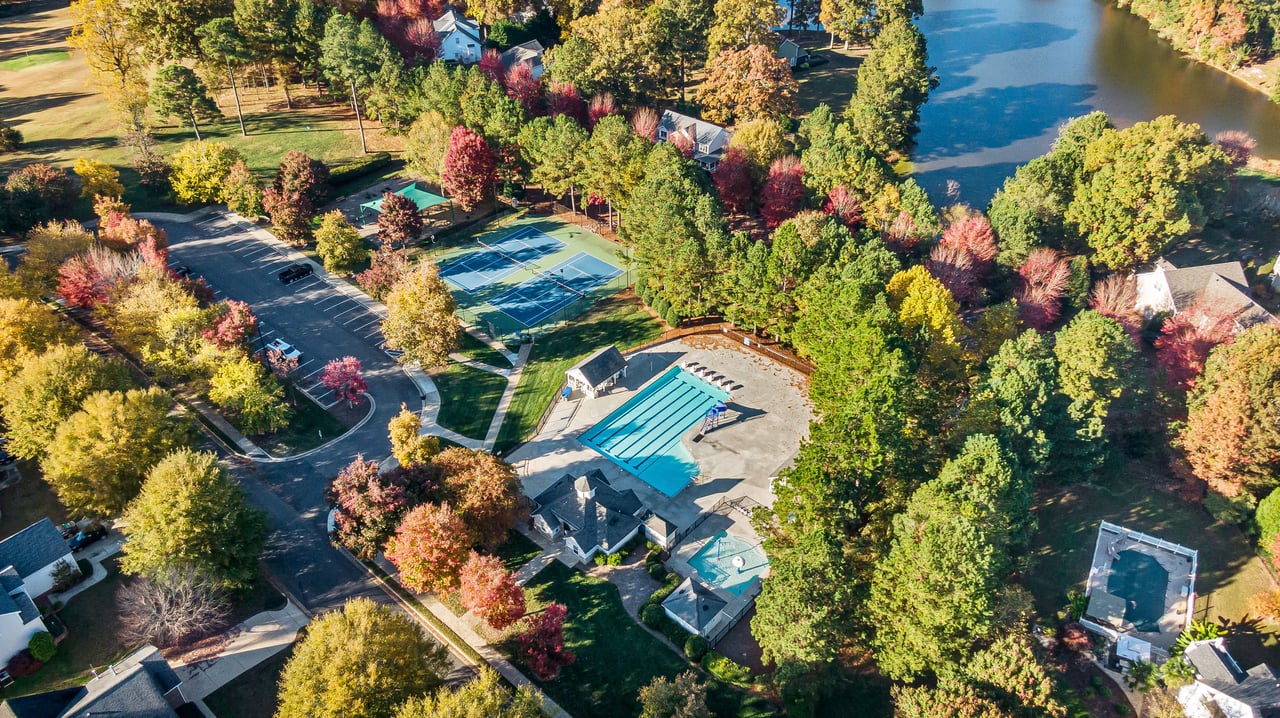
- Community amenities. Parks, trails, clubhouse access, pools, and community events can influence perceived value. Confirm HOA-covered amenities and current fees.
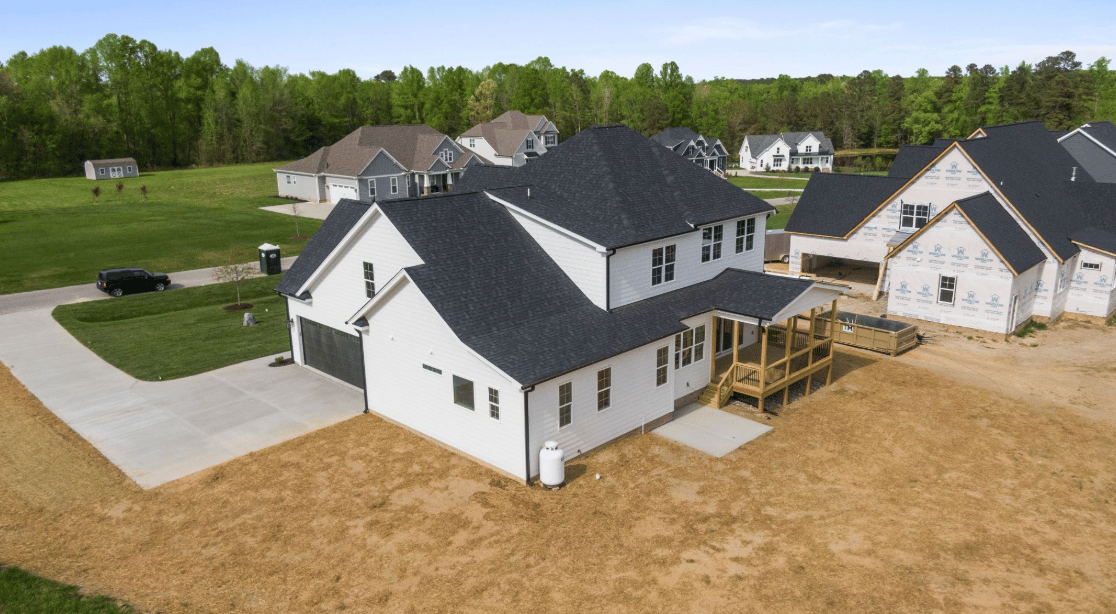
- New construction nearby. Builder inventory and incentives can reset buyer expectations and affect resale pricing in the short term.
- Infrastructure and utilities. Sewer versus septic, road access, and ongoing development or traffic changes can influence both value and marketability.
- Planning and zoning updates. County-level changes that affect density, land use, or future projects can impact buyer interest.
Valuation methods to compare
Different methods can serve you at different stages. The right approach depends on your timeline, goals, and how unique your home is.
Comparative Market Analysis (CMA)
A CMA is a broker-prepared analysis that compares your home to recent nearby sales. It weighs size, features, condition, and timing to estimate a probable market price.
- Strengths: Current, nuanced, and tailored to your home and sub-neighborhood.
- Limitations: Requires strong local expertise and quality comparable sales.
- Best use: Setting your list price and refining your strategy before you hit the market.
Automated Valuation Models (AVMs)
AVMs use public records and recent sales to generate instant estimates.
- Strengths: Fast and useful for quick checks.
- Limitations: Less accurate for new-builds, unique homes, or rapidly changing markets. They cannot see condition or upgrades.
- Best use: A starting point, then validate with a human-led CMA.
Licensed Appraisal
A licensed appraiser produces a formal report that lenders accept for financing.
- Strengths: Detailed, standardized, and defensible.
- Limitations: Cost and scheduling. Results can reflect market conditions at a single point in time.
- Best use: Loan approvals, legal needs, or when you want a formal document to support value.
Broker Price Opinion (BPO)
A BPO is a quicker broker estimate, sometimes used by lenders or investors.
- Strengths: Faster than a full appraisal, backed by an agent.
- Limitations: Not a substitute for a lender appraisal in most cases.
- Best use: Early pricing guidance when you need an agent-informed range.
Data sources to verify
Accurate pricing depends on accurate inputs. For Amberly and Chatham County, reliable sources include:
- Triangle MLS. Current active, pending, and closed sales to build a quality comp set.
- Chatham County Tax Assessor. Assessed values and property characteristics.
- Chatham County GIS. Parcel lines, flood zones, sewer versus septic, lot size, topography.
- Register of Deeds. Deed history, covenants, easements, and recorded liens.
- HOA documents. Fees, amenities, CCRs, and any transfer or rental rules.
- Planning and Development. Zoning changes, upcoming projects, and transportation updates.
Features that shift your price
Certain property details tend to have outsized effects on value in Amberly. When comparing against sales, look closely at:
- Size and layout. Finished square footage and a functional floor plan matter. Open layouts can show and sell differently than compartmentalized plans.
- Beds and baths. Full baths, half baths, and the primary suite configuration carry distinct value.
- Condition and upgrades. Updated kitchens, refreshed primary baths, newer roof or HVAC, and quality flooring can separate your home from older comps.
- Lot and location. Cul-de-sac placement, privacy, wooded buffers, and usable yard space can influence buyer willingness to pay.
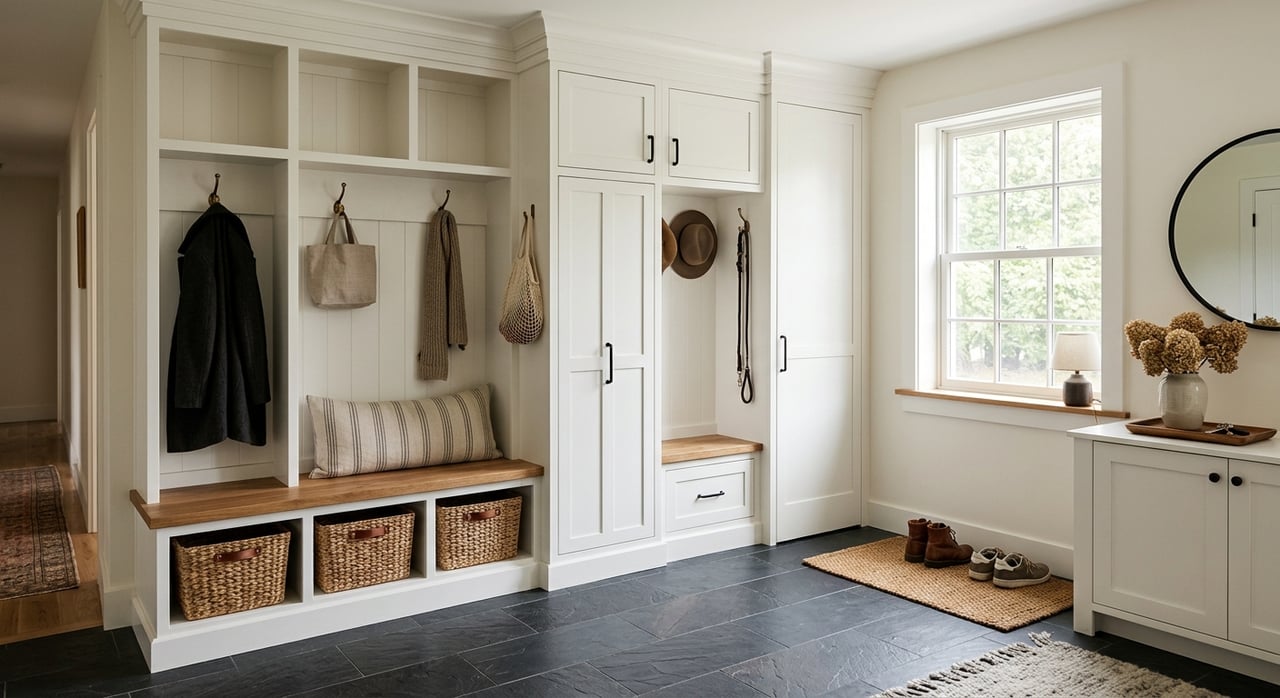
- Garage and storage. Number of bays and whether the garage is finished or offers storage solutions can affect perception.
- Basement or crawlspace. Finished lower levels and how square footage is counted are important to compare correctly.
- Energy features. Efficient HVAC, better insulation, and solar panels are increasingly valued.
- Age and warranty. Newer homes sometimes command a premium, especially when builder warranties are transferable.
New construction’s impact
If new homes are selling nearby, builders may offer incentives that influence your resale price. Concessions like closing cost credits or upgrades can make new-build prices appear higher than the net market value. When pricing your home, account for these incentives so you do not overprice against shiny, incentivized competition. Track warranty terms too, since builder warranties can be a selling point that affects buyer comparisons.
HOA, septic, and flood checks
Before you price, confirm details that can affect buyer interest and financing:
- HOA fees and coverage. Verify the current amount, billing frequency, and what the fee includes. Check for special assessments and rental rules.
- Sewer versus septic. Septic requires maintenance records and may affect buyer financing or timelines. Confirm permits and service history.
- Flood zones. Use local mapping to verify whether the property requires flood insurance, which can influence affordability for some buyers.
Step-by-step pricing plan
Follow a clear workflow to build a precision price you can stand behind.
- Gather key facts
- Legal description, lot size, finished square footage, beds and baths, year built.
- Ages of roof, HVAC, water heater, windows, and major upgrades.
- HOA details, amenity access, and any assessments.
- Pull the right comps
- Focus on your subdivision or within one mile, similar age and size.
- Include closed sales from the past 3 to 6 months, and review active and pending competition.
- Note Days on Market and list-to-sale price patterns.
- Inspect condition
- Document upgrades and any deferred maintenance. Request detailed photos or a walk-through to verify finishes and features.
- Apply thoughtful adjustments
- Start with closely matched comps, then adjust for size, beds and baths, condition, lot, garage, time, and immediate location.
- Keep written rationale for each adjustment to defend your price.
- Set a pricing range and strategy
- Create conservative, target, and aggressive scenarios. Weigh likely buyer demand, timing, and the level of competition.
- Prep for market
- Complete minor repairs, declutter, and stage key rooms. Plan for professional photos and a strong launch.
- Monitor and recalibrate
- Revisit pricing after 7 to 14 days on market. Use feedback, showing activity, and competing listings to adjust if needed.
Pricing scenarios and timing
Markets move, and your pricing should reflect that. If the local trend is rising, a modest time adjustment may be appropriate when comparing older sales to today’s list environment. If inventory builds and days on market increase, consider tighter pricing with clear value against actives. Set a review milestone before you list, then again after two weeks to confirm you are tracking toward your goal.
High-ROI touch-ups
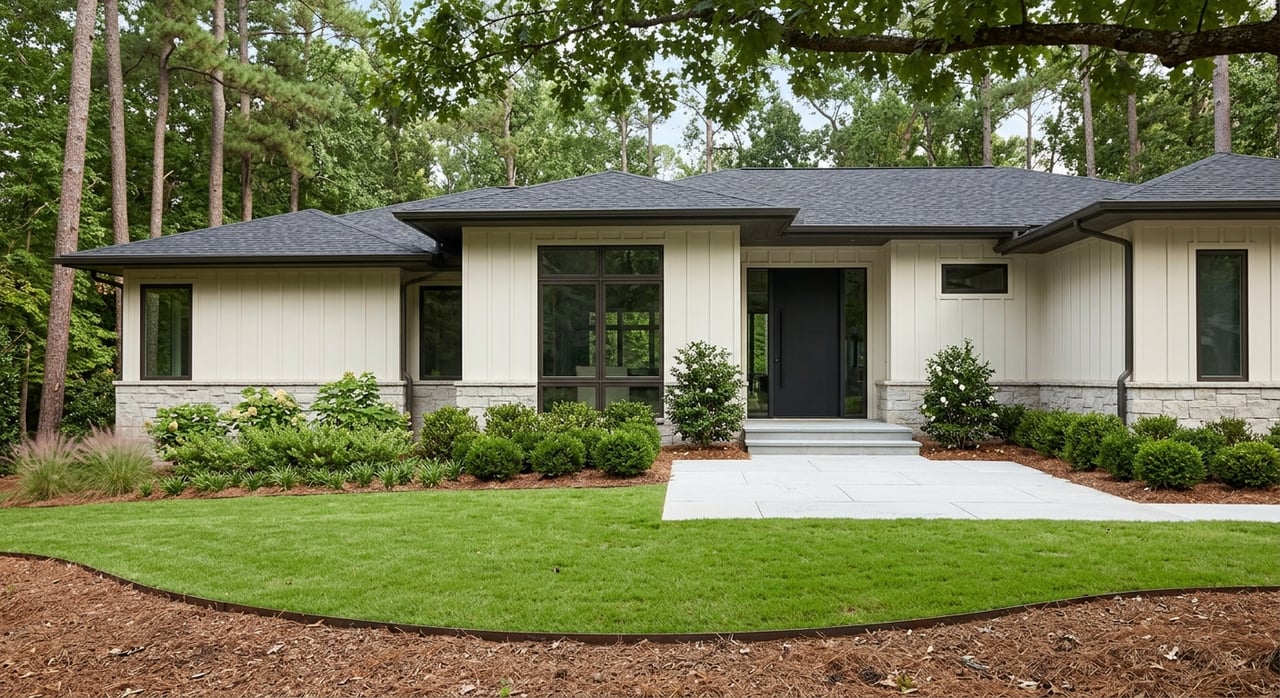
You do not always need a full remodel to get a stronger price. Focus on high-visibility updates with broad appeal. Many sellers see solid returns from a kitchen refresh, a primary bath update, new paint in neutral tones, and curb appeal improvements. Local demand and price band matter, so align your prep plan with the comps your buyers will use.
Common pitfalls to avoid
- Leaning on AVMs alone. Algorithmic estimates often miss condition, upgrades, and micro-location factors.
- Using distant or mismatched comps. Values can shift quickly across subdivisions, especially where amenities differ.
- Ignoring builder incentives. New construction concessions can distort resale comparisons if not adjusted.
- Overlooking septic or flood status. These items can affect financing, insurance, and buyer timelines.
- Skipping time adjustments. Fast-moving markets require updates to reflect current conditions.
When to order an appraisal
Consider a licensed appraisal if you need a lender-ready valuation, are facing a complex legal or estate situation, or want a formal document that stands up to scrutiny. For most listings, a robust CMA paired with real-time market monitoring guides pricing and negotiation effectively. Your agent can help you decide if an appraisal adds value for your scenario.
Your next step
If you want a precision price for your Amberly home, start with a local CMA built on the right comps, clear adjustments, and a plan to win against your competition. You will walk away with a confident range, a target list price, and a checklist to maximize your outcome. For a complimentary, neighborhood-focused valuation and a tailored pricing strategy, connect with Azita K Wilson.
FAQs
How accurate are online estimates for Amberly homes?
- They are useful starting points, but they often miss condition, upgrades, and micro-location nuances. Validate with a local CMA or a licensed appraisal.
What is the difference between a CMA and an appraisal?
- A CMA is prepared by a broker to guide listing price and strategy, while an appraisal is a formal valuation by a licensed appraiser that lenders use for financing.
How long does a home valuation take and what does it cost?
- AVMs are instant and free, CMAs are often complimentary from an agent, and appraisals require a fee and typically take several days from scheduling to completion.
Should I get a pre-listing inspection in Amberly?
- Often yes, because finding issues early lets you make repairs, price strategically, and avoid surprises during the buyer’s due diligence period.
How do HOA fees affect my home’s value?
- Well-defined amenities can support buyer demand, while higher fees or rental limits can narrow the buyer pool. Confirm the current fee, coverage, and any assessments.
Do new construction incentives impact my resale price?
- Yes. Builder concessions like closing cost credits can make new-build prices look higher than the true net value, so adjust your comps accordingly.