Thinking about buying in Cameron Pond or planning a new backyard project? HOA and ARC rules shape what you can build, how you maintain your home’s exterior, and even when you can start work. It can feel like a lot to track, especially while you are trying to move or plan a renovation. This guide shows you how to find the right documents, what to review first, and how to navigate approvals and timelines with confidence. Let’s dive in.
What HOA and ARC rules cover
HOA documents and the Architectural Review Committee (ARC) guidelines set the standards for exterior changes, maintenance, and community operations. You want to know where these rules live and how they apply to you.
The documents to request first
Ask for a complete association packet that includes:
- CC&Rs (Covenants, Conditions and Restrictions)
- Bylaws and Articles of Incorporation
- Rules and Regulations
- ARC Guidelines and application forms
- Current assessment amounts, fee and fine schedules
- Annual budget, recent financial statements, and reserve study (if available)
- Meeting minutes from the past 12 to 24 months
- Insurance policy summary for the association
- Violation and notice history for the specific property
- Estoppel certificate or payoff statement
- Management company contract and contact details (if applicable)
Where to get Cameron Pond records
- Ask the seller to provide the HOA packet and a current estoppel certificate as part of your contract contingencies.
- Request documents from the HOA board or management company. Many HOAs offer an association packet for a fee.
- Check for a neighborhood website or owner portal where ARC forms and guidelines may be posted.
- Confirm recorded covenants using Wake County public records through the Register of Deeds.
- Have your real estate agent, title company, or attorney help you request and review documents.
Timing and access to records
Request documents early in your due diligence period. Confirm the expected turnaround time for the estoppel certificate, which is commonly 7 to 14 days but can vary based on the association and its policies.
How to read the CC&Rs and ARC guidelines
Start by understanding scope: who the rules apply to, what the ARC can approve or deny, and the consequences of making changes without approval.
Architectural changes that often need approval
Most exterior changes require ARC review. Typical examples include:
- Exterior paint color changes and roof replacement
- Fences, decks, sheds, additions, driveways, patios, and hardscape
- Pools and related fencing
- Solar panels, satellite dishes, and exterior lighting
- HVAC and equipment placement visible from the street or pond
Check definitions of “exterior” and “improvement” in the guidelines so you do not miss items that need approval.
What to submit with an ARC application
Prepare a complete, clear package. Many ARCs expect:
- Completed application form with owner contact info
- Site plan showing location and setbacks
- Scaled drawings or photos and elevations for additions
- Materials list with color chips or photos
- Contractor info and proof of insurance if required
- Irrigation, grading, or drainage plan for larger projects
- Tree protection plan and references to any needed permits
- Copy of required county permits or a note that you will apply after ARC approval
- Neighbor acknowledgment if required
- Application fee or deposit if applicable
Review timeline and decisions
Many ARCs use a standard review period, often 14 to 30 days. Your documents should specify the response time, any conditions for approval, and how long approvals remain valid. Allow time for revisions. Never start work without written approval.
Design standards and landscaping
ARC guidelines often set standards for:
- Approved materials and prohibited finishes
- Height limits, setback rules, and sightline considerations
- Landscaping plans, acceptable species, and tree removal procedures
- Impervious surface thresholds and pool placement
- Signage, temporary structures, and seasonal displays
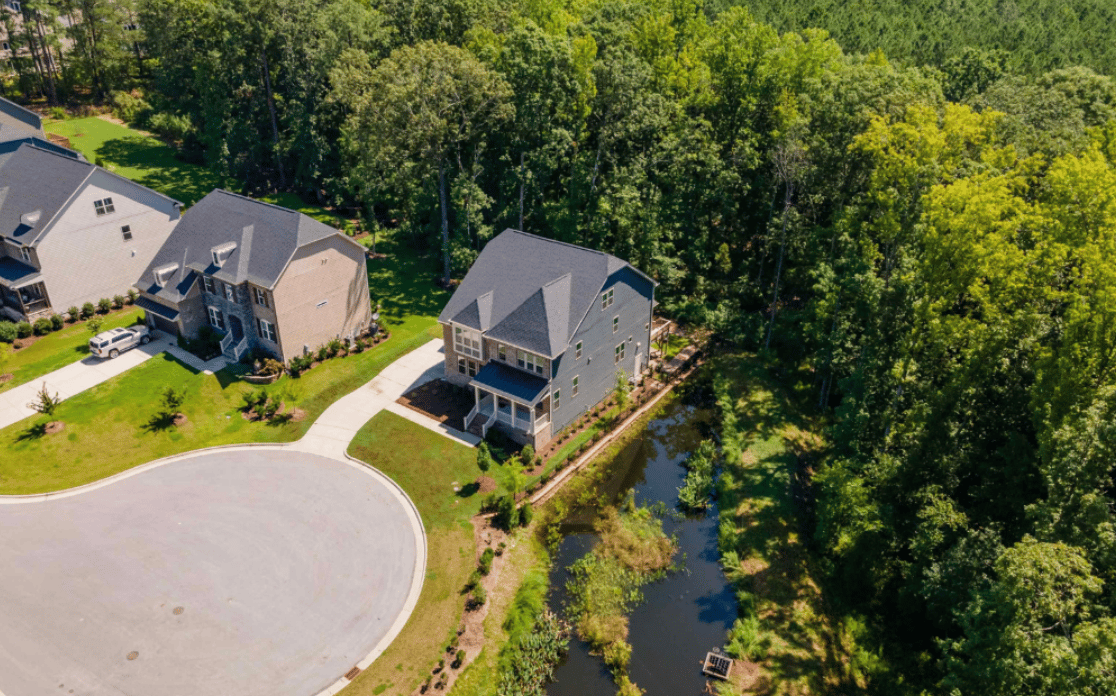
If your lot borders a pond or buffer area, there may be additional restrictions on tree removal and impervious surfaces. Confirm requirements before you apply.
Maintenance, leasing, parking, and pets
Review the rules for:
- Owner versus HOA maintenance responsibilities
- Upkeep standards and nuisance rules like weeds, trash, and noise
- Leasing restrictions, including minimum lease terms or rental caps
- Street parking, RVs, boats, and commercial vehicles
- Pet policies, leash requirements, and cleanup
Due diligence for buyers in Cameron Pond
If you are under contract, build HOA review into your contingencies. Your goal is to confirm costs, approvals, and any risks before closing.
Documents to obtain before closing
- CC&Rs, bylaws, rules, and ARC guidelines
- Estoppel certificate showing dues, unpaid fees, violations, and any special assessments
- Most recent financial statements and current budget
- Reserve study or a summary of reserve funding
- Board meeting minutes for the past 12 to 24 months
- Management contract and management contact info
- Architectural approval history for the property’s past exterior changes
- List of current board members and their contact info
Questions to ask the HOA or manager
- Are there pending or planned special assessments or capital projects? What are timelines and estimated costs?
- Are there open violations or unapproved alterations at the property?
- Has the association been involved in litigation in the past two years?
- What are the typical ARC review timeframes and application fees?
- Is short-term renting allowed? Are there leasing limitations?
Red flags to watch for
- Large or frequent special assessments or low reserve funding
- Ongoing litigation that could add risk or cost
- Escalating enforcement actions or frequent fines
- Very restrictive ARC standards that conflict with your plans
- Vague approval criteria or a pattern of denials for common upgrades
Smart steps for sellers
Set your buyer up for a smooth close and protect your negotiating power by getting ahead of HOA items.
- Gather and share prior ARC approvals for any exterior improvements.
- Resolve known violations before listing, or disclose them with a clear plan to cure.
- Order a recent estoppel early to avoid last-minute delays.
- Keep as-built plans, contractor warranties, and ARC correspondence ready for buyers.
Coordinate with Wake County rules
ARC approval is separate from county requirements. You will still need to follow local regulations.
- Many structural additions, pools, large decks, major grading, and septic or sewer work require Wake County permits.
- Lots near ponds, wetlands, or designated buffers may have extra limits on tree removal and impervious surfaces.
- Larger landscaping or hardscape projects can trigger erosion and sedimentation controls.
- Confirm FEMA flood maps and any local floodplain overlays that may affect your project.
When in doubt, confirm requirements with Wake County Planning and related agencies before finalizing your ARC submission.
Enforcement, fines, appeals, and variances
Understand how the HOA enforces rules and how you can resolve issues.
- Most associations follow a sequence: courtesy notice, formal violation notice with a cure period, fines or suspension of privileges, and liens for unpaid amounts. Foreclosure is a last resort in serious collection situations.
- Review how to request a hearing or appeal if you disagree with a decision.
- Check whether variances or hardship requests are allowed. These are not guaranteed and typically require a strong justification.
Quick homeowner checklist
- Obtain: CC&Rs, bylaws, rules, ARC guidelines, application form, estoppel, budget, reserve study, and 12 to 24 months of minutes.
- Confirm: whether your specific project needs ARC approval, exact submission requirements, fees, and review timeline.
- Verify: open violations, unpaid assessments, special assessments, and any litigation.
- Coordinate: Wake County permits and environmental restrictions that may affect your lot.
- Keep: written ARC approval and required permits before work begins. Save copies for your records.
Planning a move or mapping out a remodel in Cameron Pond calls for clear steps and timely requests. With the right documents, a complete ARC application, and a cautious eye on county rules, you can protect your timeline and budget while keeping your project on track. If you want a second set of eyes or help coordinating with the HOA and county, reach out to Azita K Wilson for concierge guidance tailored to Cameron Pond and nearby Cary neighborhoods.
FAQs
What is the ARC in Cameron Pond and what does it do?
- The Architectural Review Committee interprets design standards and reviews exterior change requests to ensure projects meet the community’s guidelines before work starts.
How long does ARC approval usually take in Cameron Pond?
- Many associations use a 14 to 30 day review window, but you should check Cameron Pond’s documents for the specific timeline and any conditions that can extend it.
Do I need ARC approval for a fence or pool?
- Fences and pools typically require ARC approval, along with a site plan and details on materials, placement, and any required safety fencing or permits.
What is an estoppel certificate when buying in Cameron Pond?
- It is an official statement from the HOA or manager that shows dues, unpaid fees, open violations, special assessments, and contact information so buyers can verify costs before closing.
What if a previous owner made changes without ARC approval?
- Ask the HOA for the property’s approval history and check for open violations; unapproved work may need to be retroactively approved or brought into compliance.
Does ARC approval replace Wake County permits?
- No. ARC approval is separate; you must still obtain any required county permits and follow local rules on buffers, erosion control, and floodplain limits.