Thinking about Preston or Preston Village but not sure which one fits your move? You are not alone. On paper, the two look similar, yet the day-to-day experience can feel very different once you factor in homes, HOAs, schools, utilities, commute, and resale. This guide walks you through the key comparisons and gives you a simple plan to verify details before you write an offer. Let’s dive in.
How these neighborhoods compare
Homes and lot basics
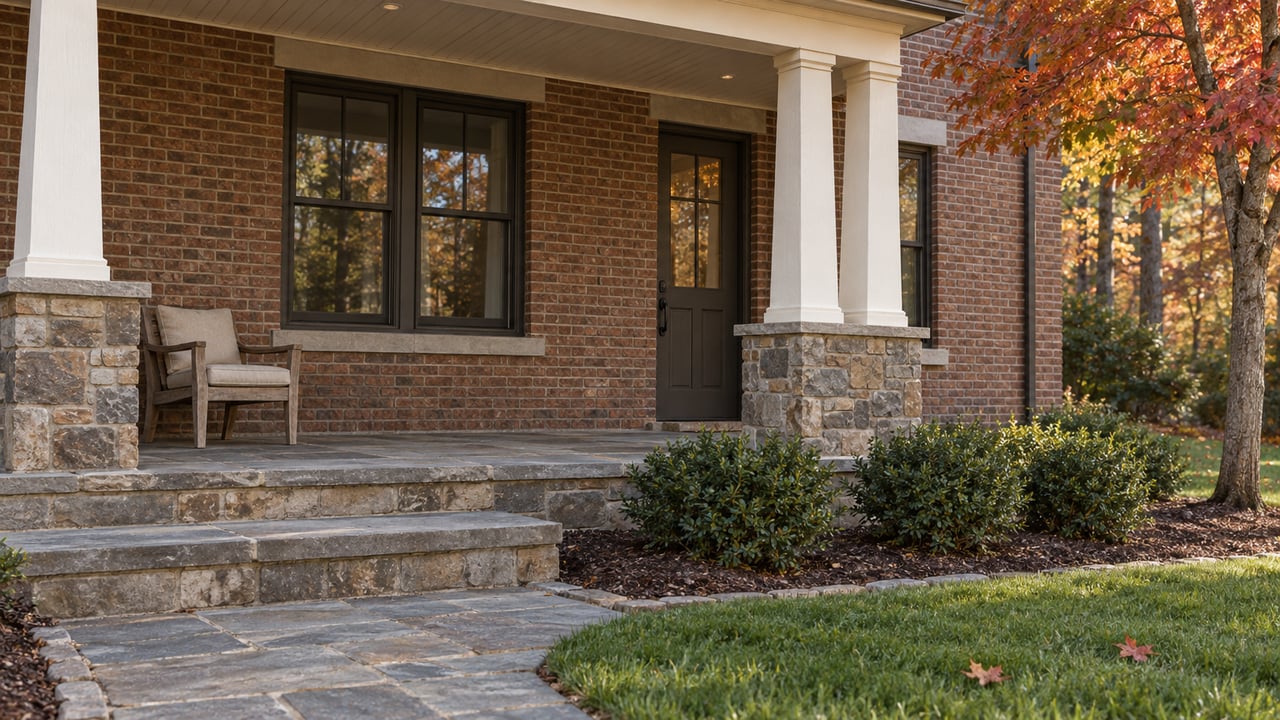
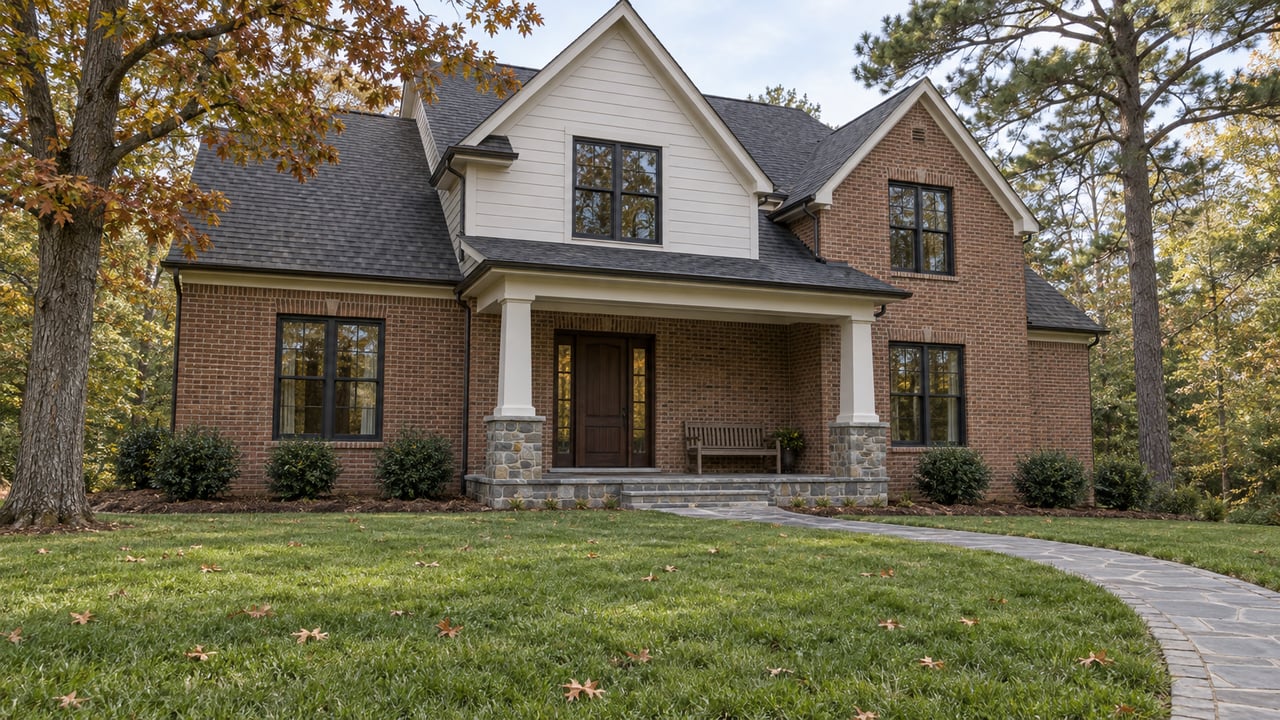
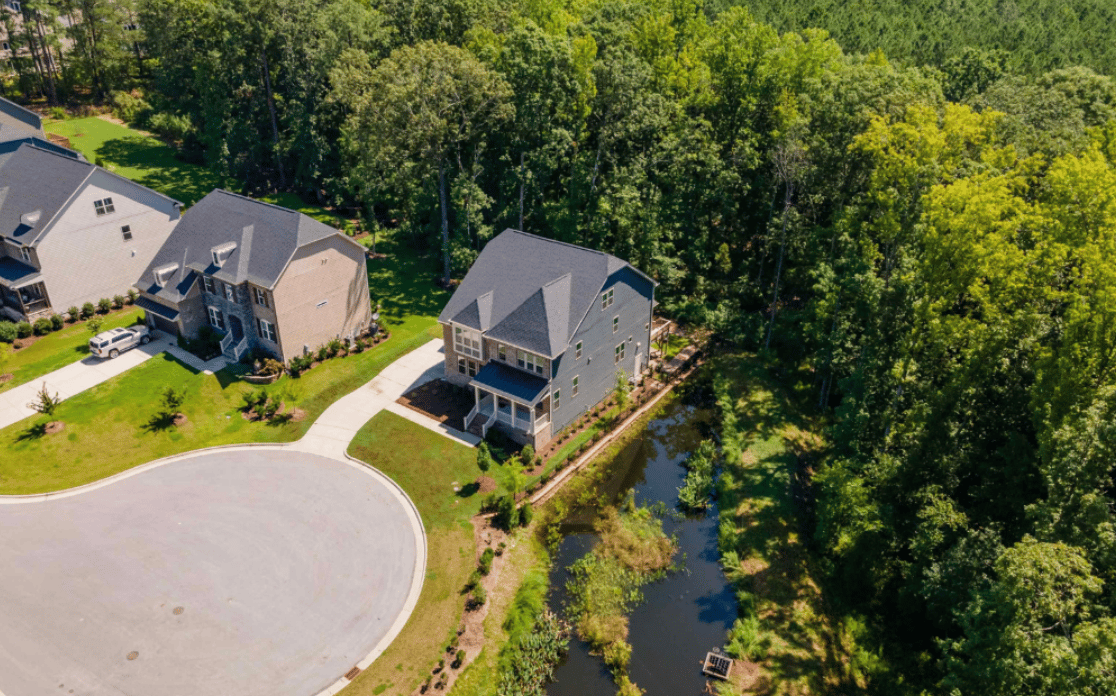
Both neighborhoods likely offer single-family homes with a range of bedroom counts and lot sizes. Focus on the age of construction, typical square footage, and yard usability. Ask your agent for subdivision-level comps and the year-by-year buildout to understand where these homes sit in the local market cycle. Confirm boundaries and lot sizes with county GIS and recorded plats.
Price and market signals
Prices, price per square foot, and days on market change quickly. Look at 12 to 24 months of closed sales to spot trends. Check how many homes are active now and how many sell in a typical month to gauge inventory. Use list-to-sale price ratios and contingent timelines to understand how competitive offers need to be.
HOA and monthly costs
If an HOA is present, confirm dues, what they cover, and any rental rules. Ask about recent or pending special assessments and the status of reserve funds. If there is no HOA, review any deed restrictions that govern fences, outbuildings, or parking. Always read the most recent covenants and bylaws before your due diligence period ends.
Amenities and lifestyle
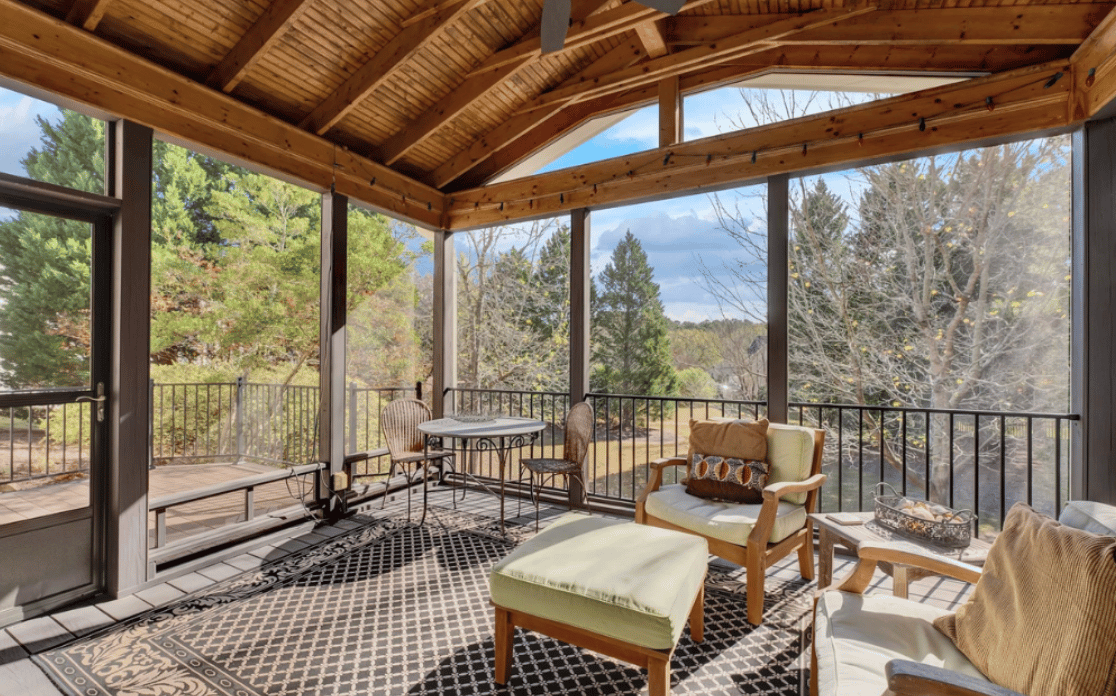
Compare onsite features like pools, playgrounds, trails, and clubhouses. Also map the distance to parks, groceries, medical care, and weekly errands. Walk both neighborhoods at peak times to test noise, traffic flow, and overall curb appeal. If community events matter to you, ask residents about the social calendar and how active participation tends to be.
Schools and options
Verify current public school assignments and note that boundaries can change. Review available performance data from the district and state education sites in context with your needs. If private or charter options are important, consider commute time and transportation logistics. Plan a test drive during school drop-off or pickup if timing and traffic are concerns.
Utilities and internet
Know whether homes are on municipal water and sewer or well and septic. This affects inspections, maintenance, and some loan types. Confirm which internet providers serve each street and typical speeds available. Ask sellers or property managers about trash and recycling service and pickup schedules.
Commute and access
Drive your route to major job centers during your actual commute window. Note access to interstates and primary corridors, and check for planned road projects that could change drive times. If you work from home, weigh broadband reliability and street noise. Remember that travel times can shift with school schedules and new development nearby.
Taxes and zoning
Confirm the property tax rate and whether municipal taxes apply inside town limits. Review zoning and any planned nearby development that could add traffic or new amenities. If you have future projects in mind, check setback rules, accessory structures, and permitting timelines. Keep tax and zoning notes in your comparison worksheet so you can revisit them before you finalize your offer strategy.
Which fits your move?
First-time buyers
- Focus on entry price, monthly HOA dues, utility type, and typical maintenance. Look for homes that have recent big-ticket updates so you can preserve cash after closing. Clarify any rental restrictions in case you may later convert the home to a rental.
Growing families
- Prioritize bedroom count, flexible living spaces, yard size, and proximity to parks or recreation. Verify current school assignments with the district. Check neighborhood speed controls, sidewalks, and bus stops if daily routines and safety are top priorities.
Commuters and remote work
- Compare peak-hour drive times to your office and access to major corridors. For remote work, confirm fiber or cable internet options and typical upload speeds. Look for quieter lots, flexible rooms for offices, and wiring or outlet placement that suits your setup.
Downsizers and retirees
- Seek single-level or primary suite on main, smaller footprints, and low-maintenance yards. Evaluate HOA services, including lawn care or exterior maintenance if available. Consider distance to healthcare and daily shopping, plus amenities that support an active lifestyle.
Investors
- Review turnover, past rental activity, and any HOA rental caps or lease minimums. Study resale trends at the subdivision level and compare them to the wider area. Confirm typical days on market and verify that your insurance, utility, and maintenance assumptions are realistic.
Quick side-by-side checklist
| Compare | Preston | Preston Village |
|---|---|---|
| Year built range | Verify with GIS and plats | Verify with GIS and plats |
| Typical home size | Confirm recent MLS comps | Confirm recent MLS comps |
| Lot size range | Check county records | Check county records |
| HOA and dues | Review CC&Rs and resale packet | Review CC&Rs and resale packet |
| Amenities | Note onsite features and conditions | Note onsite features and conditions |
| Schools | Verify current assignment with district | Verify current assignment with district |
| Utilities | Confirm municipal vs well/septic | Confirm municipal vs well/septic |
| Internet | Check provider coverage and speeds | Check provider coverage and speeds |
| Commute | Test drive at peak times | Test drive at peak times |
| Taxes and zoning | Confirm rates and designations | Confirm rates and designations |
How to confirm before you make an offer
- Boundaries and lots: Pull subdivision maps and parcel details from county GIS and the tax assessor. Walk the lot lines where practical.
- Market data: Ask your agent for a 12 to 24 month CMA with medians, price per square foot, DOM, and sale-to-list ratio for both neighborhoods.
- HOA due diligence: Read the latest covenants, bylaws, budget, reserve study, and meeting minutes. Confirm rental rules, pet policies, and special assessments.
- Schools: Verify assignments and review district and state performance data. Call the school if capacity or bus routing matters to you.
- Utilities and inspections: Confirm water and sewer type, provider details, and service history. If well and septic apply, schedule specialized inspections and pump records.
- Internet and work-from-home needs: Check provider availability and typical speeds. Ask sellers for recent bills or speed test screenshots if available.
- Commute test: Drive your route at your usual time on two different weekdays. Note any bottlenecks or construction.
- Risk checks: Review FEMA flood maps and any county stormwater notes. Ask your inspector to focus on drainage and grading.
- Future changes: Contact county planning about nearby projects that could change traffic, noise, or school enrollment.
What to watch next
- Seasonal inventory shifts can change your negotiation leverage. Track new listings and price reductions weekly with your agent.
- Road projects or announced commercial development can shift commute times and shopping patterns. Keep an eye on planning updates.
- HOA rule changes can affect rentals, exterior projects, or parking. Ask for the latest updates before you finalize terms.
Ready to compare homes, street by street, with current data and a clear plan? Reach out for a neighborhood consult, a fresh CMA, and a step-by-step path tailored to your timeline and budget. Connect with Azita K Wilson to get started.
FAQs
What is the main difference between Preston and Preston Village?
- The key differences often show up in home age and size, HOA structure, amenities, utilities, and commute patterns. Verify each item at the subdivision level before you offer.
How do prices typically compare in these neighborhoods?
- Prices shift with inventory and seasonality. Ask for a 12 to 24 month CMA for each neighborhood that shows medians, price per square foot, DOM, and sale-to-list ratio.
Are there HOAs, and what do the dues cover?
- Many subdivisions have HOAs that can cover amenities or common area maintenance. Read the current covenants, budget, and resale packet to confirm dues and coverage.
Which public schools serve these areas right now?
- School assignments can change. Confirm current assignments with the district and review state performance data as part of your due diligence.
Will I be on municipal water and sewer or well and septic?
- It varies by street and subdivision. Confirm utility type through county utilities and listing disclosures, and schedule the appropriate inspections.
What are typical commute times from these neighborhoods?
- Drive your route at your usual time and compare against map estimates. Repeat on two weekdays to get a realistic range before you commit.
Are there any planned developments that could impact the neighborhood?
- Check with county planning for approved or proposed projects, and ask your agent to monitor updates that may affect traffic, amenities, or school capacity.