If you love Preston Village but your current home no longer fits the way you live, you are not alone. Some homeowners need more room for work, guests, or multigenerational living, while others want less upkeep without leaving a familiar part of Cary. The good news is that you can plan this move with more clarity when you understand the local market, carrying costs, HOA rules, and timing options. Let’s dive in.
Why homeowners stay in Preston Village
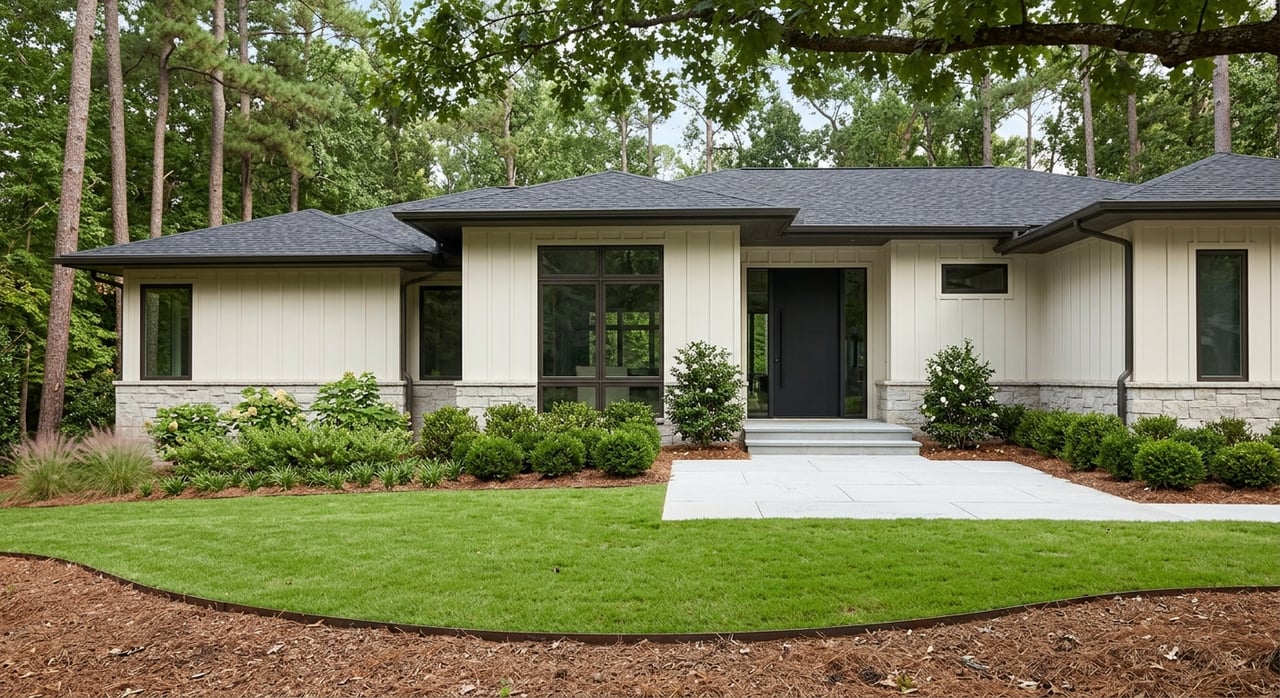
Preston Village offers a setting that is hard to replace once you are already here. It is an established Cary neighborhood in Wake County, and Preston Development Company describes it as part of the Preston PUD with larger lots, including custom sections that began with average half-acre lots.
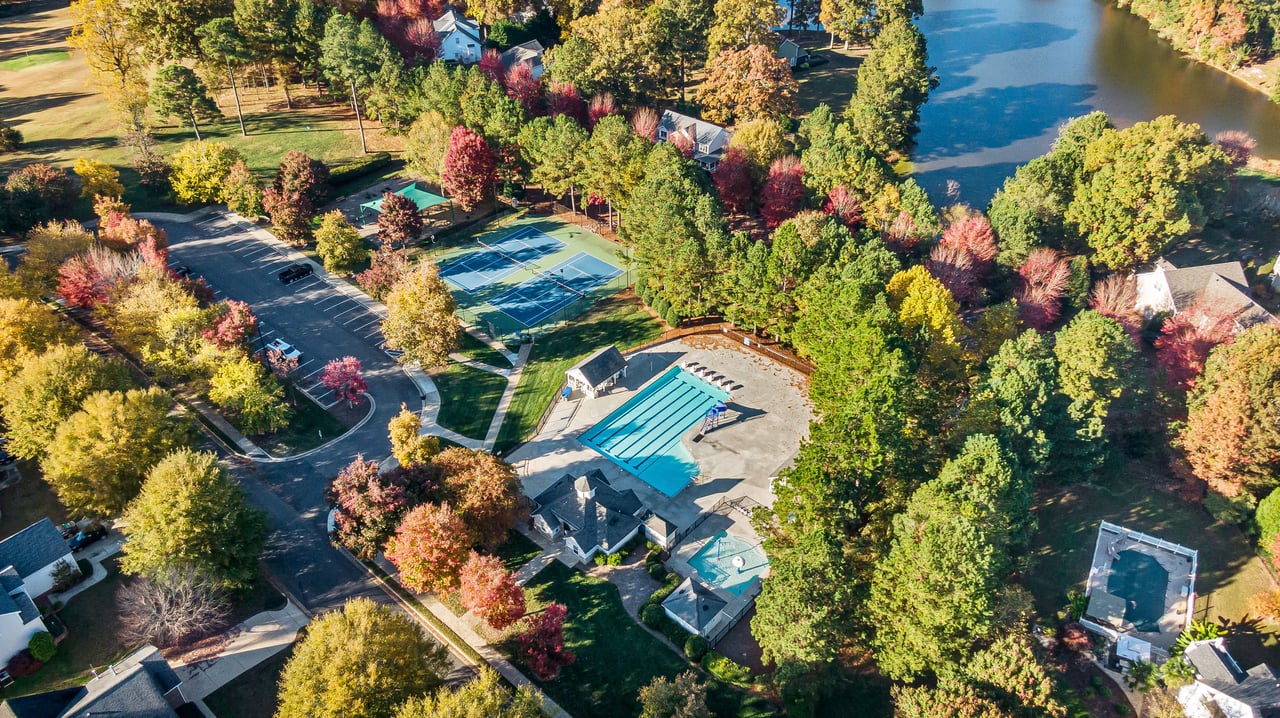
The neighborhood also includes features many buyers still want today, such as an oversized playground, a great lawn and gazebo, a pond, and convenient access to a Prestonwood Country Club facility. That combination helps explain why some owners choose to move within the same community instead of starting over somewhere else.
There is also a meaningful price gap between Preston Village and Cary overall. Zillow’s average home value estimate for Preston Village was $1,211,805 as of April 30, 2026, compared with Cary’s citywide value of $629,864. If you are weighing an upsize or downsize here, that difference makes local pricing strategy especially important.
How to decide: upsize or downsize
The right answer usually starts with your daily life, not just square footage. Before you compare homes, think about what is actually prompting the move and whether that need is likely to last for several years.
Signs it may be time to upsize
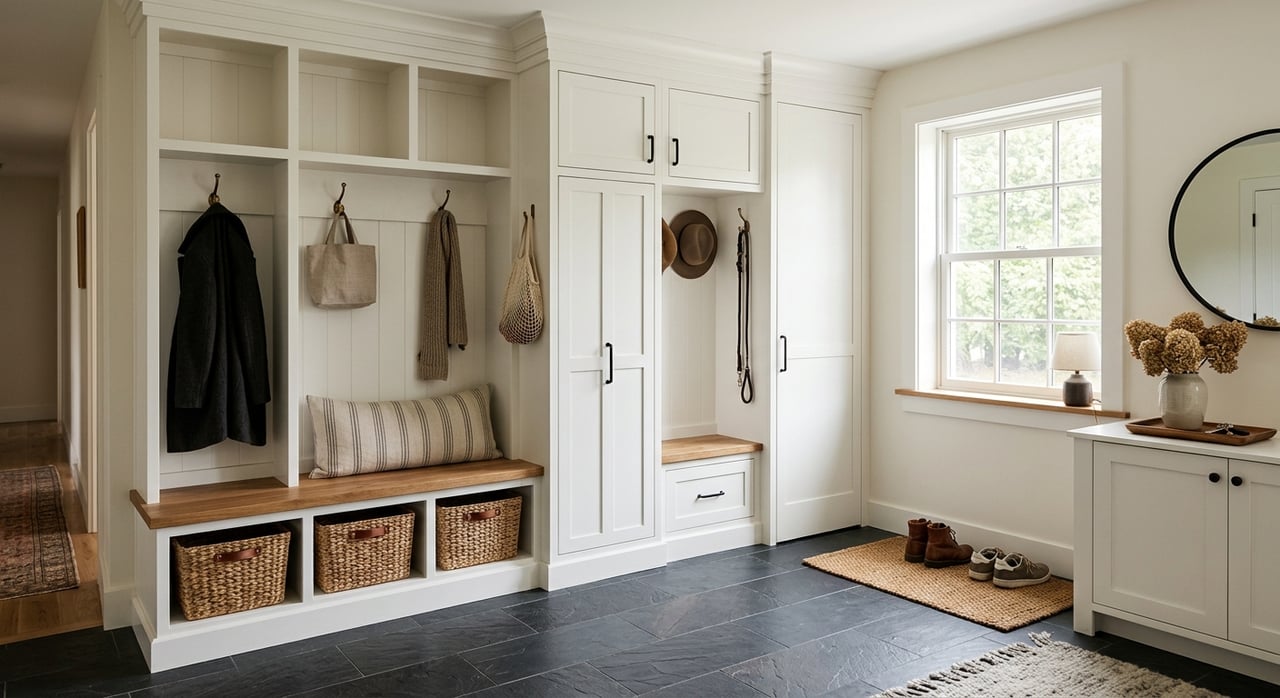
Upsizing often makes sense when your current layout is creating friction every day. You may want more bedrooms, a dedicated office, a larger yard, a main-floor primary suite, or more room for guests.
For some households, the goal is not simply a bigger home. It is a home that works better for remote work, changing routines, or multigenerational living while keeping the same neighborhood identity.
Signs it may be time to downsize
Downsizing is often less about giving something up and more about simplifying. A smaller home or a lower-maintenance setup can reduce cleaning, yard work, and the time you spend managing the property.
If this is your goal, compare more than square footage alone. Look at lot care, HOA dues, property taxes, and how easily your next home may resell when your needs change again.
A third option: stay and adapt
In some cases, moving may not be your only answer. Cary allows accessory dwelling units in all residential zoning districts where detached dwellings are allowed, as of June 2, 2025, with larger maximum sizes and simplified rules.
That said, ADUs still must follow setbacks, HOA requirements, and the North Carolina building code. If you are trying to solve space or caregiving needs without leaving Preston Village, this may be worth exploring early on a property-specific basis.
What the Cary market means for your move
Your next step should reflect current conditions, not last year’s assumptions. In spring 2026, Cary remained active, with Redfin reporting a median sale price of about $610,000 and roughly 31 days on market over the three months ending April 2026.
Realtor.com also described Cary as a seller’s market in March 2026. For Preston Village owners, that broader demand sits alongside a much higher neighborhood value point, which can create opportunity if you are selling and buying in the same general market cycle.
This does not mean every home will move the same way. It does mean pricing, presentation, and timing matter if you want to protect your position on both sides of the move.
Compare the true cost of moving up or down
Monthly payment is only one piece of the picture. If you are choosing between a larger home and a smaller one in Preston Village, it helps to model your full carrying costs before you write an offer.
Cary’s municipal tax rate is 34.0 cents per $100 of value, and Wake County’s 2025-26 rate is 51.71 cents per $100. That puts the combined local rate at about 85.71 cents per $100 before any special-district taxes.
For context, Cary’s FY2026 budget release said the town rate increase adds about $97 per year for the median Cary home valued at $648,000. In a higher-value neighborhood like Preston Village, even modest differences in purchase price can have a noticeable effect on ongoing ownership costs.
Cost categories to review early
Before you decide, compare these line items side by side:
- Purchase price and expected loan payment
- Property taxes based on the replacement home’s value
- HOA dues and community rules
- Yard and exterior maintenance
- Utility costs tied to home size
- Future renovation or updating needs
A move-up can be worth it if the added space solves a long-term need. A downsize can be smart if it improves your lifestyle and lowers recurring expenses in a meaningful way.
HOA rules can affect both selling and buying
Preston Village is HOA-governed, and that matters whether you are preparing to list or planning changes after you buy. Community Association Services lists official documents such as bylaws, covenants, an ARC form, an ARC checklist, a picnic shelter rental agreement, and related policies.
The key practical point is simple: visible exterior changes require attention early. Preston Village HOA guidance says visible exterior changes, including new construction, exterior renovations, landscaping, painting, and fences, must be submitted to the Architectural Committee before work begins.
Like-material repairs do not need approval. If you are planning exterior touch-ups before listing, or improvements right after closing, this is one of the first items to verify.
Exterior updates to check before work starts
If your project is visible from outside the home, pause before scheduling the contractor. Approval may be needed for:
- Exterior paint changes
- Fence installation or replacement
- Landscaping changes
- Exterior renovations
- New construction or additions
This can save you time, stress, and potential delays during your move timeline.
Build a timeline 6 to 12 months ahead
A same-neighborhood move often feels simpler than a cross-town relocation, but the logistics can still get tight fast. A practical plan usually starts 6 to 12 months in advance so you have time to prepare your current home, evaluate financing, and study replacement options.
Early planning also gives you more flexibility if inventory is limited or if your ideal move requires careful contract terms. This is especially helpful when you are trying to coordinate a sale and purchase in the same season.
When to get preapproved
Preapproval is helpful, but timing matters. CFPB notes that sellers often require a preapproval letter before accepting an offer, and those letters typically expire in 30 to 60 days.
That is why many buyers get financially ready early, then refresh preapproval when they are serious about shopping. It can also surface credit or documentation issues before you are under contract on a new home.
Tools that can help you buy and sell together
If you are making one move while still owning another home, contract structure matters. Common tools include:
- A home-sale contingency
- A home-close contingency
- Early move-in terms
- A rent-back clause
- A temporary bridge loan with a term of 12 months or less
The right choice depends on your risk tolerance, cash position, and how competitive the homes are on both sides of the transaction.
Leave room at the end
The final stretch often takes more coordination than people expect. CFPB says the official Closing Disclosure should arrive at least three days before closing, and loan closing and home purchase closing typically happen at the same time.
That means your timeline should leave room for appraisal, underwriting, inspection negotiations, and HOA document review. If you are buying and selling at once, even a small delay in one place can affect the other side.
Verify location-based details early
When you move within the same area, it is easy to assume little will change. In reality, a new address can affect practical details that matter to your household.
School assignment in Wake County
Wake County school assignment is residence-based. WCPSS says its address lookup shows current and next-year base assignments by residential address.
WCPSS also says that if a family moves within Wake County during the school year, they can usually stay at the current school, attend the new base school, or request a transfer within 10 days. If this is relevant to your move, verify the address early rather than waiting until closing is near.
Property-specific options
If you are trying to decide whether to move or adapt your current home, confirm the details before making assumptions. That can include HOA approval requirements, lot constraints, setbacks, and how any future changes would fit Cary’s current rules.
This kind of upfront review can keep you from spending money on plans that are not realistic for your property.
A smart move starts with a local plan
In Preston Village, upsizing and downsizing can both be smart choices. The better option is the one that matches how you want to live, what you want to spend, and how long you expect the next home to serve you.
Because Preston Village sits in a distinct price tier within Cary, small decisions can have larger financial consequences. A thoughtful plan around timing, preparation, HOA review, and replacement-home criteria can help you move with less stress and more confidence.
If you are weighing your next step in Preston Village, a neighborhood-specific strategy can make all the difference. For tailored guidance on timing, pricing, and your options within Cary, connect with Azita K Wilson.
FAQs
Should I upsize or downsize within Preston Village?
- The right choice depends on your daily needs, long-term plans, and carrying costs. Upsizing may help if you need more functional space, while downsizing may make sense if you want less maintenance and lower ongoing expenses.
When should I get preapproved for a move within Cary?
- CFPB says preapproval letters often expire in 30 to 60 days, so many buyers prepare early and refresh the letter when they are ready to make offers.
What Preston Village exterior updates need HOA approval?
- Preston Village HOA guidance says visible exterior changes such as exterior renovations, landscaping, painting, fences, and new construction must be submitted to the Architectural Committee before work begins.
Can a Cary ADU replace the need to move from Preston Village?
- Possibly, depending on your property and goals. Cary allows ADUs in residential zoning districts where detached dwellings are allowed, but HOA rules, setbacks, and building-code requirements still apply.
How does a move within Wake County affect school assignment?
- WCPSS says school assignment is based on residential address, and families moving within Wake County during the school year can usually stay at the current school, attend the new base school, or request a transfer within 10 days.
Is Preston Village more expensive than Cary overall?
- Yes. Zillow’s average home value estimate for Preston Village was $1,211,805 as of April 30, 2026, compared with Cary’s citywide value of $629,864.