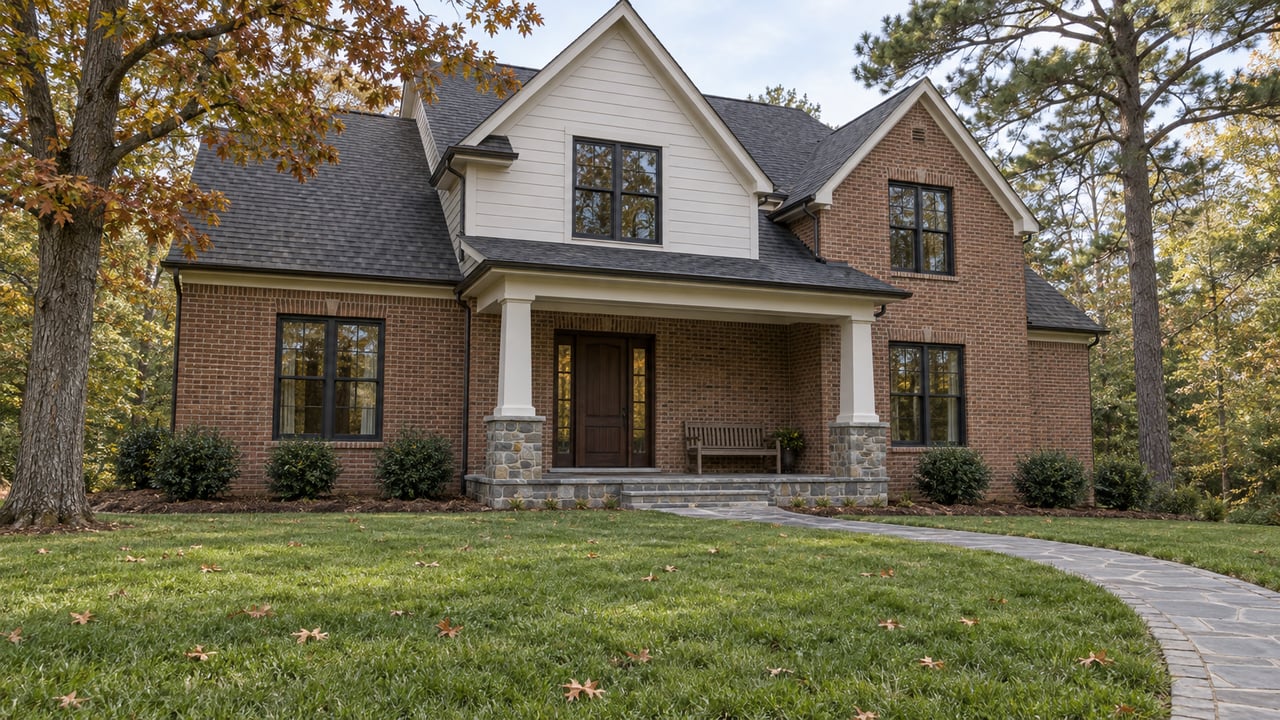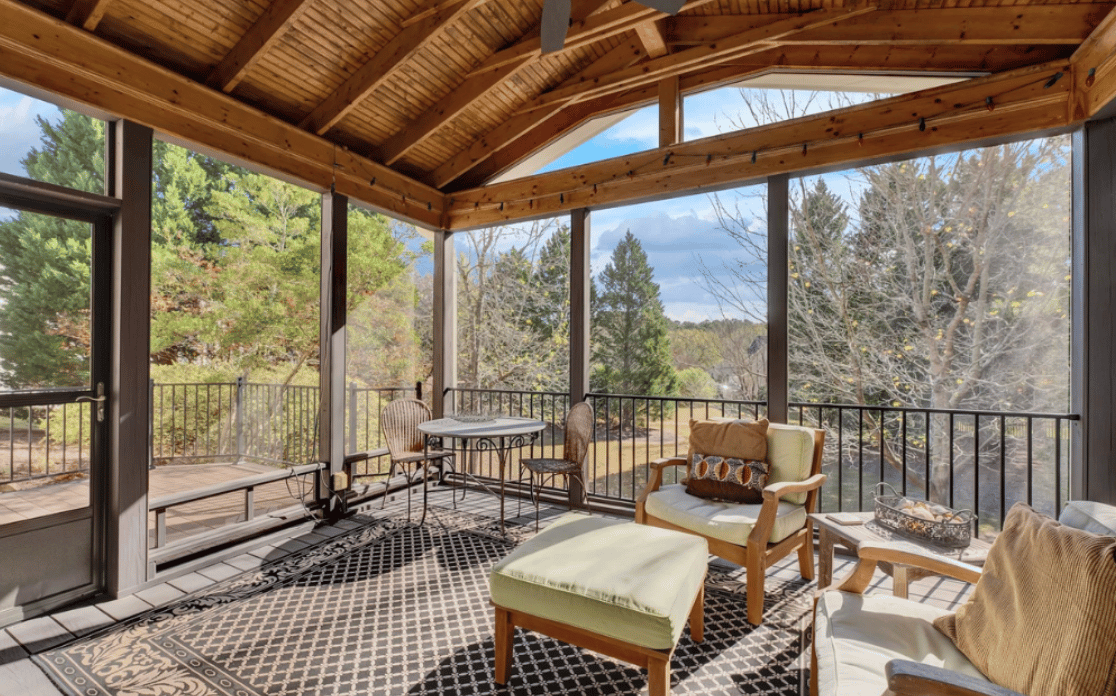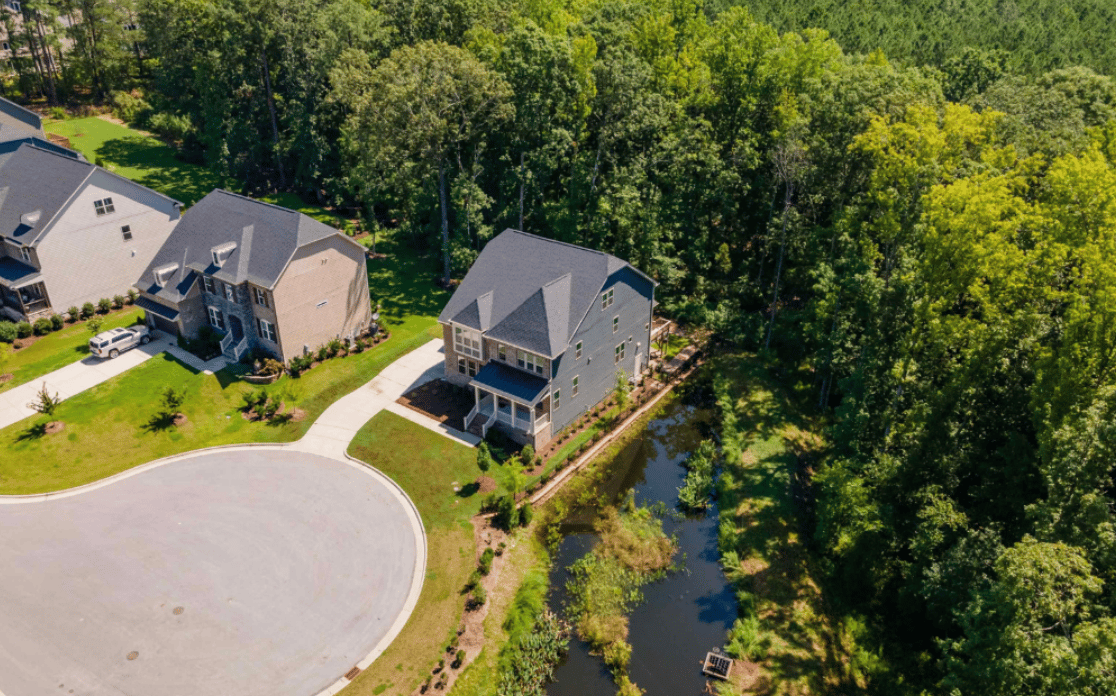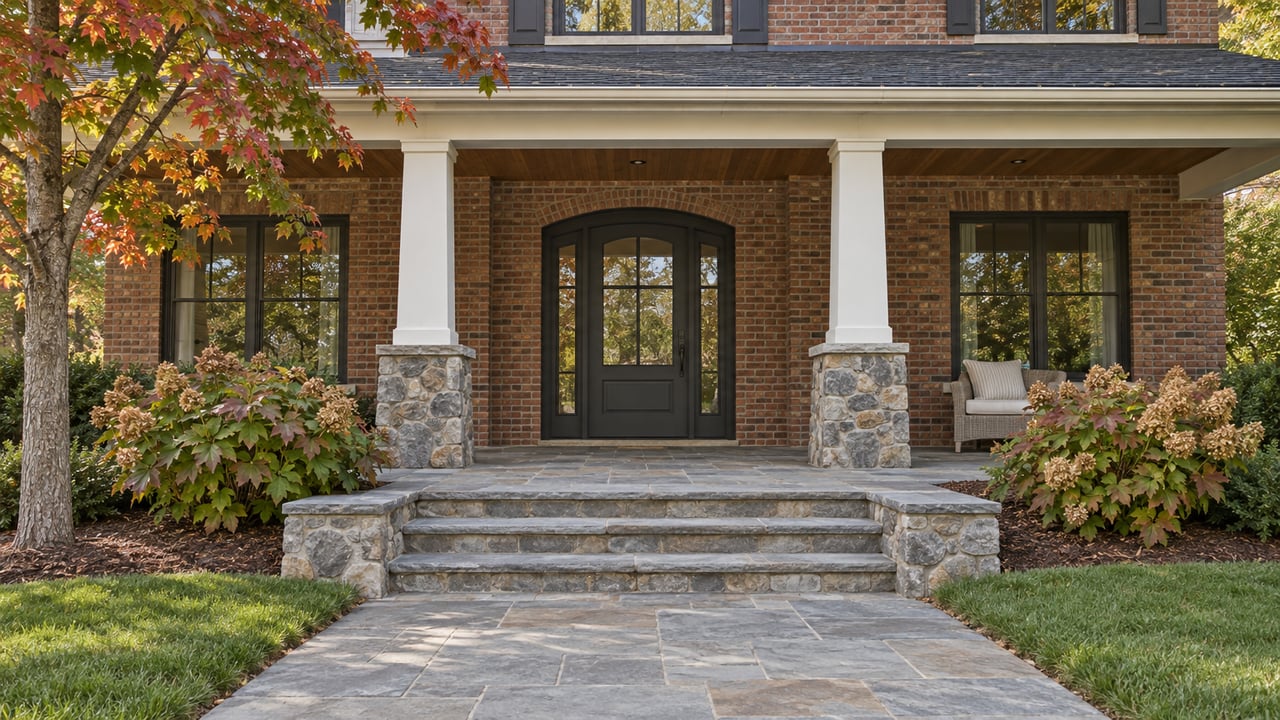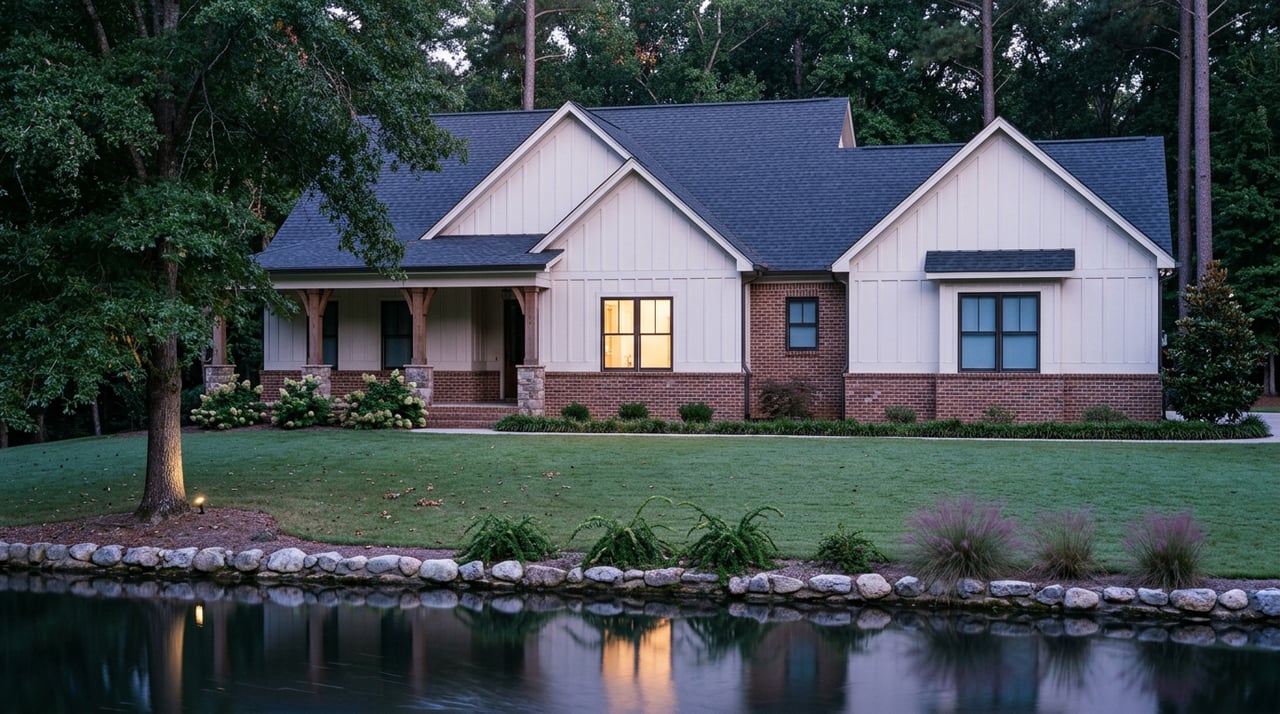
If someone told you Cary's housing market was cooling in the middle of 2026, they'd be right. If someone in the same breath told you Cary Park was having one of its strongest stretches in years, they'd also be right. Both things are true at once, and the gap between them is worth understanding before you write an offer or set a listing price in this neighborhood.
Start with the detail that actually stops a transaction cold. Buyers shopping Cary Park with rental income in mind have run into a wall that never shows up in the listing photos: at least one Cary Park homeowners association caps rentals at 20 percent of the community's homes, and as of recent listings, that cap was already full. No waitlist workaround, no exception for a great tenant. If you're buying to rent, you check this before you fall in love with the floor plan, not after your due diligence period closes.
That single rule is a clue to something larger going on in this neighborhood's numbers.
A Price-Per-Square-Foot Jump That Doesn't Match the Rest of Cary
In February 2026, the most recent month with whole-neighborhood sales data for Cary Park, homes here sold for a median price per square foot of $244, up 19 percent from the year before. The median sale price came in at $520,000, up nearly 12 percent year over year. Seventeen homes sold that month, compared to 11 the year prior.
Set that next to the rest of Cary. Over the three months ending in June 2026, Cary's citywide median sale price was $645,000, down slightly from the year before, with price per square foot down about 1 percent. A separate market update covering July 2026 put the citywide median even lower, at $630,000, a decline of 8.5 percent year over year, with price per square foot down 2.6 percent. Closings were up sharply across the city that month, but prices were not.
Here's the comparison in one place:
| Metric | Cary Park (Feb 2026) | Cary citywide (mid-2026) |
|---|---|---|
| Median sale price | $520,000 | $630,000 to $645,000 |
| Price per square foot | $244, up 19% year over year | $261 to $264, down 1% to 3% year over year |
| Typical days on market | 58 days | 16 to 17 days |
| Recent sales volume | 17 homes sold in February, up from 11 a year earlier | 197 closings in July, up 22% year over year |
Two markets, same city, moving in opposite directions. That's the number that should make a buyer pause before assuming Cary Park is simply "hot right now."
One Median, Two Very Different Neighborhoods
Cary Park was one of the first large planned communities to move into what was then farmland in west Cary, developed by East West Partners, the same firm behind Meadowmont in Chapel Hill and Woodcroft in Durham. Most of the neighborhood was built out in the early 2000s, and it grew in sections, with different builders taking on different parcels around the community's centerpiece lake.
That build-out pattern left Cary Park with two distinct products wearing one neighborhood name. On one end, attached townhomes in sections like Georgian Village and Camden cluster in the $350,000 to $600,000 range, many with rear-entry garages and lock-and-leave convenience close to Publix, Aldi, and Harris Teeter. On the other end, single-family homes with frontage on Cary Park's two-part, roughly 28-acre lake anchor the top of the neighborhood's range, which one local brokerage's data puts at the high $400,000s to more than $900,000 depending on property type and location, some with the kind of lake views that don't come up for sale often.
A townhome tracker for the neighborhood put the segment's own median price at $594,495 in March 2026, with an average sale price of $707,453, driven upward by a handful of larger, better-finished units. That's higher than the $520,000 median Redfin reported for the entire neighborhood the month before, a reminder of how much a single month of sales can swing when total volume is this thin. Seventeen closings is not a large enough sample to smooth out the difference between a month heavy on modest townhomes and a month with two or three lakefront custom sales mixed in.
That's the honest read on the 19 percent jump. Part of it may reflect real demand. Part of it almost certainly reflects which homes happened to close that particular month.
The Slower Clock Sellers Should Actually Plan Around
The days-on-market gap tells its own story. Cary Park homes took a median of 58 days to sell in February 2026, an improvement from 68 days the year before, but still triple the roughly two and a half weeks it took the typical Cary home to go under contract during the same stretch citywide.
That's not a warning sign. It's a function of what's for sale here. Larger single-family homes near the top of the neighborhood's price range don't move at the same pace as a well-priced townhome closer to $450,000, and Cary Park has more of the former, proportionally, than most Cary neighborhoods built in the same era. A seller listing a lake-view home should expect a buyer pool that takes its time, does more due diligence, and negotiates harder on inspection items, not because the market is soft, but because that's how buyers behave at that price point in any established neighborhood.
What This Actually Means Depending on Where You're Shopping
The price-per-square-foot headline applies unevenly depending on what you're buying:
- Townhome buyers under $600,000 are competing in the segment with the fastest turnover, around 38 days on market for townhomes specifically, and the widest range of recent comparable sales, from $348,000 to $599,900. Pricing here tracks closer to the rest of west Cary than the neighborhood's flashier number suggests.
- Single-family buyers near the top of the range are in a genuinely thinner market, where a single lake-view sale can move the whole neighborhood's average. Expect fewer comparables, more negotiating room on non-price terms, and a longer closing timeline than the citywide norm.
- Anyone buying with rental income in the plan needs to confirm a given section's current rental cap status before writing an offer, not after. A cap that's full today can open up if an owner sells or converts back to owner-occupancy, but that's not something you can count on by closing day.
If you're weighing a Cary Park purchase against a rental strategy, it's worth talking through the neighborhood's HOA rental rules with someone who tracks them section by section, since they vary by subdivision within the same community.
A Few Questions Worth Asking Before You Trust the Headline Number
Does the 19 percent price-per-square-foot increase mean my specific home will have appreciated that much? Not necessarily. That figure is a neighborhood-wide median built from a small number of February sales weighted toward whichever homes happened to close. A townhome and a lakefront custom home in the same neighborhood can move on entirely different timelines and price trajectories.
Is the 20 percent rental cap the same across all of Cary Park? No. Cary Park is made up of multiple sections built by different developers over roughly two decades, each governed by its own HOA with its own rules. A cap noted in one section's current listings doesn't automatically apply neighborhood-wide, which is exactly why it needs to be confirmed section by section rather than assumed.
If homes are sitting for 58 days, is that a sign to price aggressively low? Not automatically. Longer market time in Cary Park reflects the mix of higher-priced, custom lake-facing inventory more than it reflects weak demand. A well-prepared, well-priced home in this neighborhood can still move efficiently. The comparison to citywide Cary just isn't apples to apples given what's actually for sale here.
Numbers like these are useful, but only when someone walks you through what's actually behind them, section by section, sale by sale. That's the kind of neighborhood-level read Living in Cary does for buyers and sellers looking at Cary Park, from confirming a specific HOA's rental rules to pricing a lakefront listing against the small handful of true comparables that exist. If you're weighing a move here, schedule a complimentary Cary Park consultation or request a free home valuation before you let a single month's median make the decision for you.
This article is general information, not legal, tax or financial advice. Consult a qualified professional about your situation.